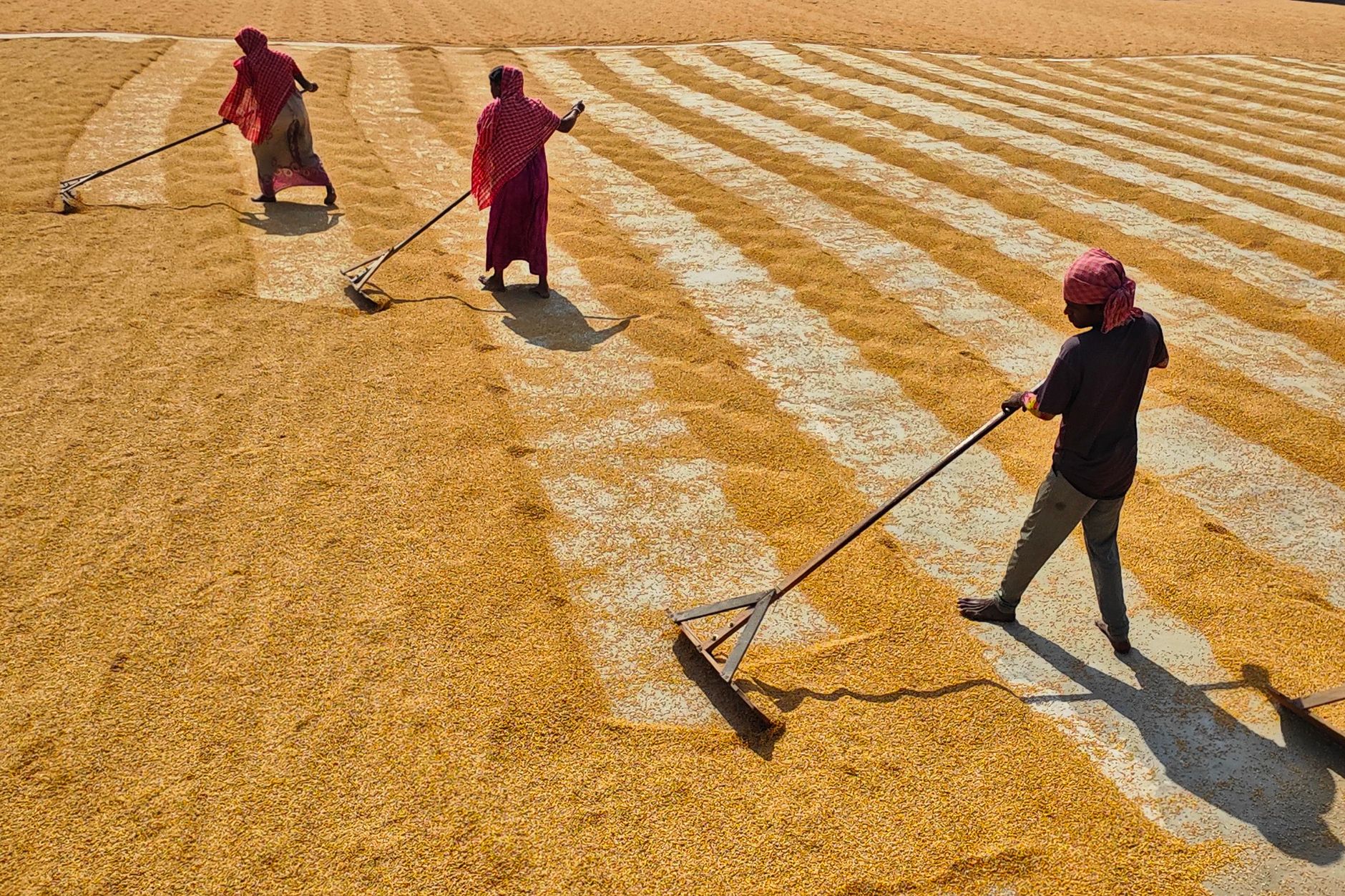
India is experiencing increasingly brutal heat waves that are taking a devastating toll on the health and livelihoods of millions of workers, particularly those in outdoor occupations. As temperatures regularly soar above 40°C (104°F) in many parts of the country during summer months, labourers, construction workers, street vendors, and agricultural workers face a daily battle against heat-related illnesses while trying to earn their living.
The Health Impact of Working in Extreme Heat
When outdoor workers are exposed to prolonged periods of intense heat, their bodies struggle to regulate temperature effectively. This can lead to a cascade of health problems, from immediate issues like heat exhaustion and heat stroke to longer-term complications affecting the kidneys, heart, and overall physical wellbeing.
Workers often report symptoms including severe headaches, dizziness, nausea, muscle cramps, and overwhelming fatigue. The constant physical strain of working in extreme temperatures can cause chronic dehydration, even when workers attempt to drink adequate water. Many labourers find that by the time they return home, their entire body aches and they lack the energy for family responsibilities or rest.
Heat stroke, the most serious heat-related illness, can be fatal if not treated promptly. It occurs when the body's core temperature rises above 40°C, and symptoms include confusion, loss of consciousness, and organ failure.
Economic Consequences for the Poorest
The economic impact of extreme heat on India's poorest workers creates a vicious cycle of poverty. Many labourers are paid daily wages based on hours worked or tasks completed. When temperatures become unbearable, workers are forced to take breaks, slow down their pace, or stop work entirely, directly reducing their income.
Construction sites and agricultural fields often see reduced productivity during peak heat hours. Some employers may send workers home when temperatures become dangerous, but without pay protection, this means lost wages for families already living on tight margins. Workers face an impossible choice: continue working in dangerous conditions to feed their families, or prioritise their health at the cost of income.
Research suggests that extreme heat could reduce working hours and productivity significantly, potentially wiping out billions of dollars from India's economy annually. The burden falls disproportionately on informal sector workers who lack workplace protections, health insurance, or paid leave.
Who Is Most Vulnerable
The workers most affected by extreme heat include:
- Construction labourers working on building sites without shade
- Agricultural workers in fields during planting and harvest seasons
- Street vendors selling goods outdoors throughout the day
- Delivery workers cycling or walking in direct sunlight
- Rickshaw pullers and transport workers
- Brick kiln workers exposed to both external heat and kiln temperatures
- Sanitation workers collecting waste during daylight hours
Women workers, particularly pregnant women, face additional risks. Migrants from rural areas working in urban construction may lack access to adequate housing, making it difficult to recover from heat exposure even after work hours.
Inadequate Protection and Infrastructure
Many of India's poorest workers lack basic protections against extreme heat. Workplaces often provide insufficient access to drinking water, no shaded rest areas, and no heat action plans. Workers may not have the knowledge or resources to recognise early warning signs of heat-related illness.
Housing conditions compound the problem. Many labourers live in tin-roofed huts or overcrowded accommodations without proper ventilation or cooling, meaning they cannot adequately recover from heat exposure overnight.
Long-Term Outlook and Challenges
Climate scientists predict that heat waves in India will become more frequent, intense, and prolonged in coming decades. Without intervention, the health and economic toll on workers will worsen significantly.
Potential solutions include enforcing mandatory work breaks during peak heat hours, providing shade and hydration at worksites, implementing heat action plans in cities and industrial areas, and creating social protection schemes that compensate workers for heat-related work stoppages. However, enforcement remains a challenge in India's vast informal economy where many workers operate without formal contracts or legal protections.
The extreme heat crisis facing India's poorest workers represents both a public health emergency and a human rights issue, requiring urgent attention from policymakers, employers, and society at large.
This article is for general information purposes only and does not constitute medical advice. If you experience symptoms of heat-related illness, seek immediate medical attention.