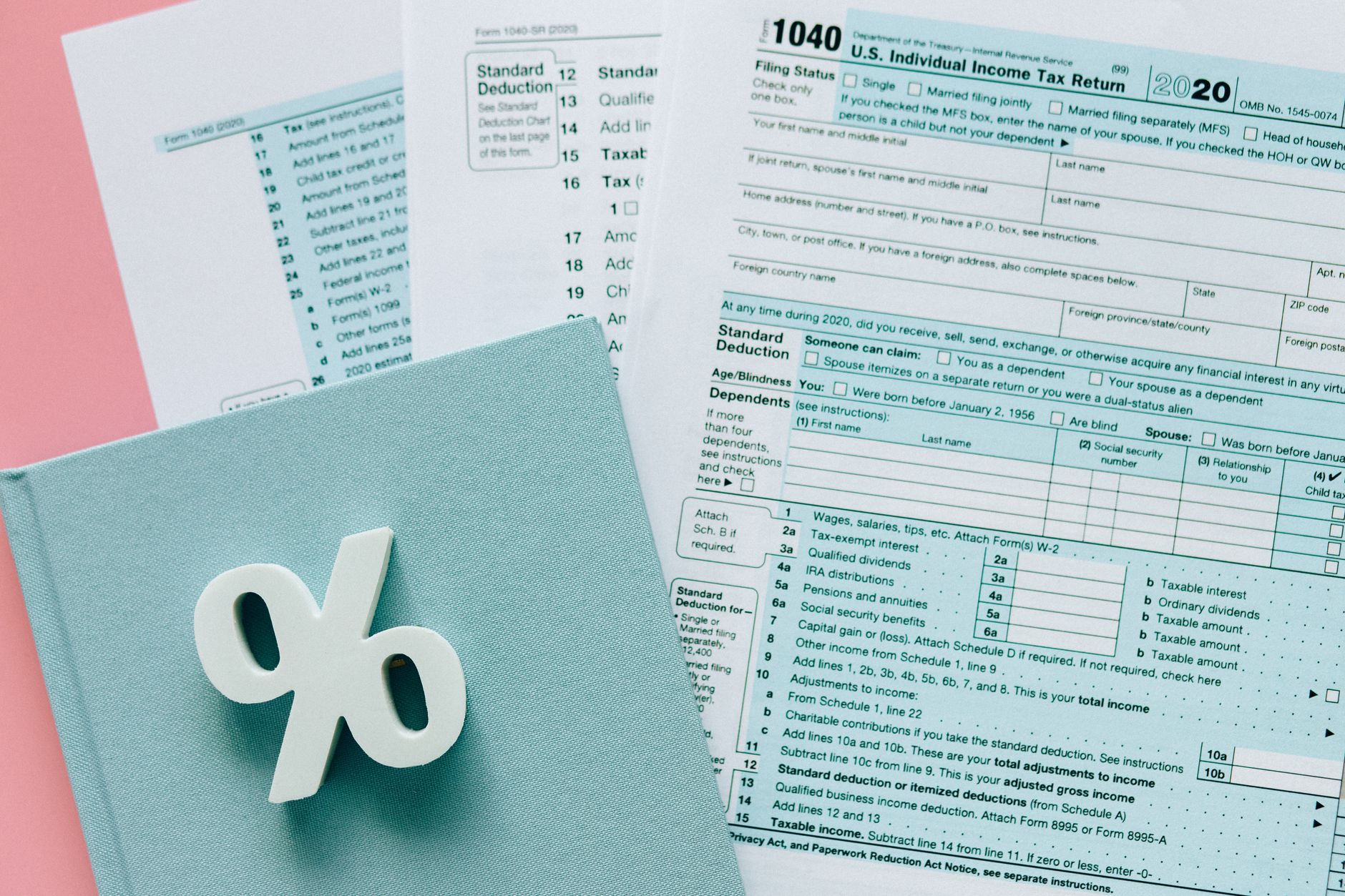
In an unprecedented move that has drawn attention to the complexities of India's new income tax regime, a sitting judge of the Allahabad High Court has filed a petition challenging the denial of tax exemptions on statutory allowances. This case brings to the forefront the tension between the new simplified tax structure and long-standing benefits extended to members of the judiciary.
Understanding the New Tax Regime
The new income tax regime, introduced in Budget 2020 and made the default option from April 2023, offers lower tax rates in exchange for the elimination of most deductions and exemptions. Taxpayers can choose between the old regime with numerous exemptions and the new regime with reduced rates but fewer benefits.
Under the old regime, taxpayers could claim deductions under sections like 80C, 80D, and house rent allowance, among others. The new regime simplifies this by offering lower slab rates but requires forgoing around 70 exemptions and deductions.
Judicial Allowances and Tax Treatment
Members of the higher judiciary receive their compensation package through a combination of basic salary and various statutory allowances. These allowances are mandated under the High Court Judges (Salaries and Conditions of Service) Act, 1954, and include components such as:
- Sumptuary allowance for official hospitality
- Conveyance allowance
- Other special allowances prescribed by statute
Historically, certain allowances granted to judges have enjoyed tax exemptions under specific provisions of the Income Tax Act, recognizing the unique nature of judicial service and the conditions attached to these payments.
The Core Dispute
The current controversy centers on whether statutory allowances payable to judges should continue to receive tax-exempt status under the new tax regime. The Income Tax Department appears to have taken the position that these allowances do not qualify for exemption when a taxpayer opts for the new regime, treating them like other exemptions that must be surrendered.
The judge's petition argues that statutory allowances are fundamentally different from voluntary exemptions and deductions. These are not benefits that taxpayers claim optionally but are integral components of the compensation structure mandated by parliamentary legislation.
Legal and Constitutional Dimensions
This case raises important questions about the interplay between tax legislation and service conditions established by separate statutes. When Parliament prescribes the salary structure for constitutional functionaries through specific legislation, can subsequent tax law unilaterally alter the effective compensation by removing exemptions?
The petition may also touch upon constitutional principles regarding judicial independence and the protection of judicial emoluments. Article 221 of the Constitution provides that the salaries and allowances of High Court judges cannot be varied to their disadvantage during their term of office.
Implications for Other Government Servants
While this case involves a member of the judiciary, its outcome could have wider ramifications. Many government employees receive statutory allowances as part of their service conditions, prescribed under various acts and rules. These include:
- Members of constitutional bodies
- Defense personnel with military service allowances
- Civil servants with location-specific allowances
- Other categories with legislatively mandated benefits
A ruling in favor of the petitioner could establish that statutory allowances stand on a different footing from general exemptions and should remain available regardless of the tax regime chosen.
The Broader Tax Reform Context
This dispute emerges during a period of significant tax reform aimed at simplification and broadening the tax base. The government's stated objective with the new regime was to reduce complexity and compliance burden while lowering rates for most taxpayers.
However, cases like this highlight the challenge of transitioning from a complex system built over decades. When exemptions and allowances are embedded in multiple statutes and service rules, their removal through tax legislation can create conflicts requiring judicial interpretation.
What This Means for Taxpayers
For ordinary taxpayers, this case underscores the importance of carefully evaluating which tax regime benefits them more. The choice between old and new regimes depends on individual circumstances, including the exemptions one qualifies for and the applicable tax bracket.
Those receiving any form of statutory allowances should monitor this case's progress, as it may clarify the treatment of such payments under the new regime.
This article is for general informational purposes only and should not be construed as legal or tax advice. Tax laws are complex and subject to interpretation. Individuals should consult qualified tax professionals or legal advisors regarding their specific situations and the applicability of tax provisions to their circumstances.