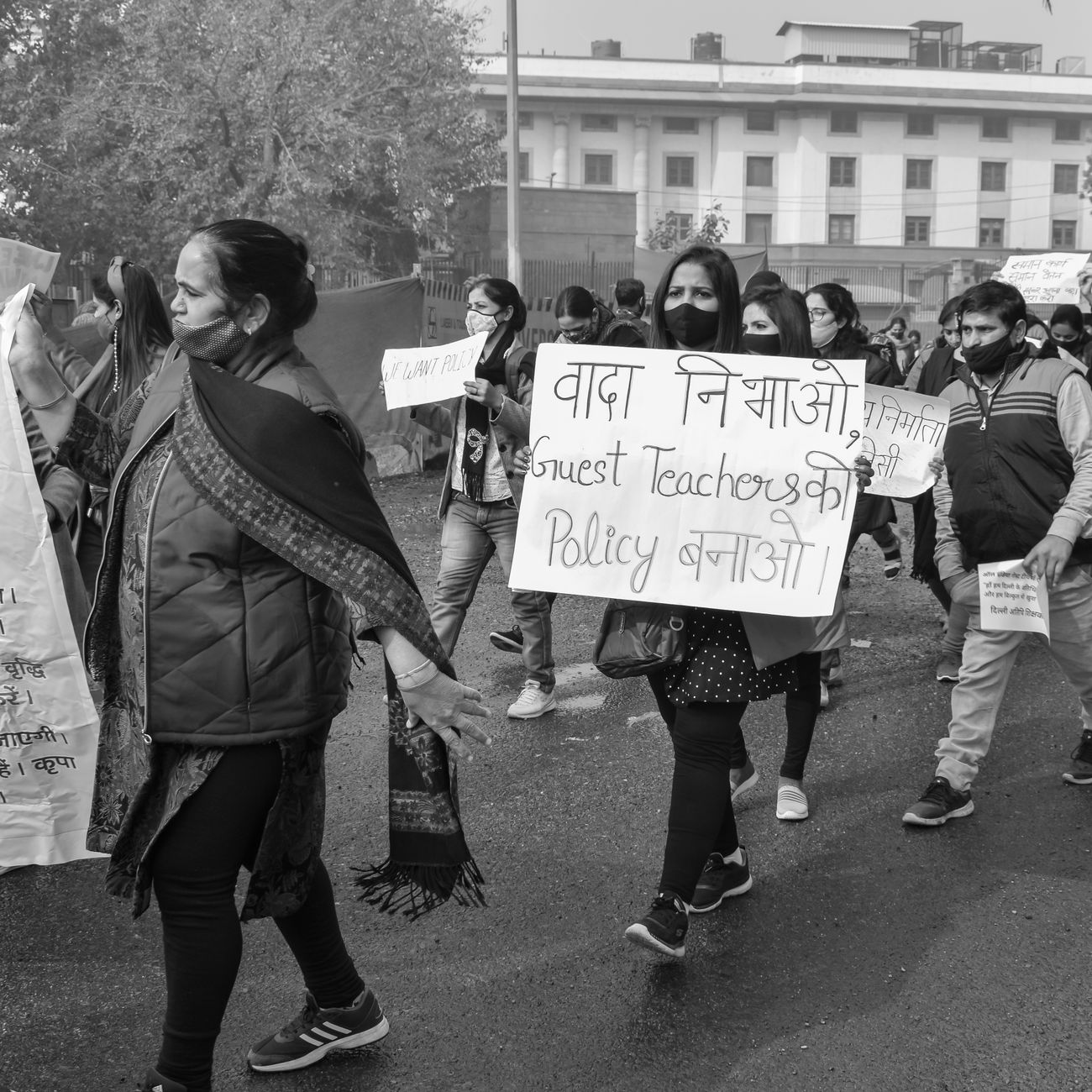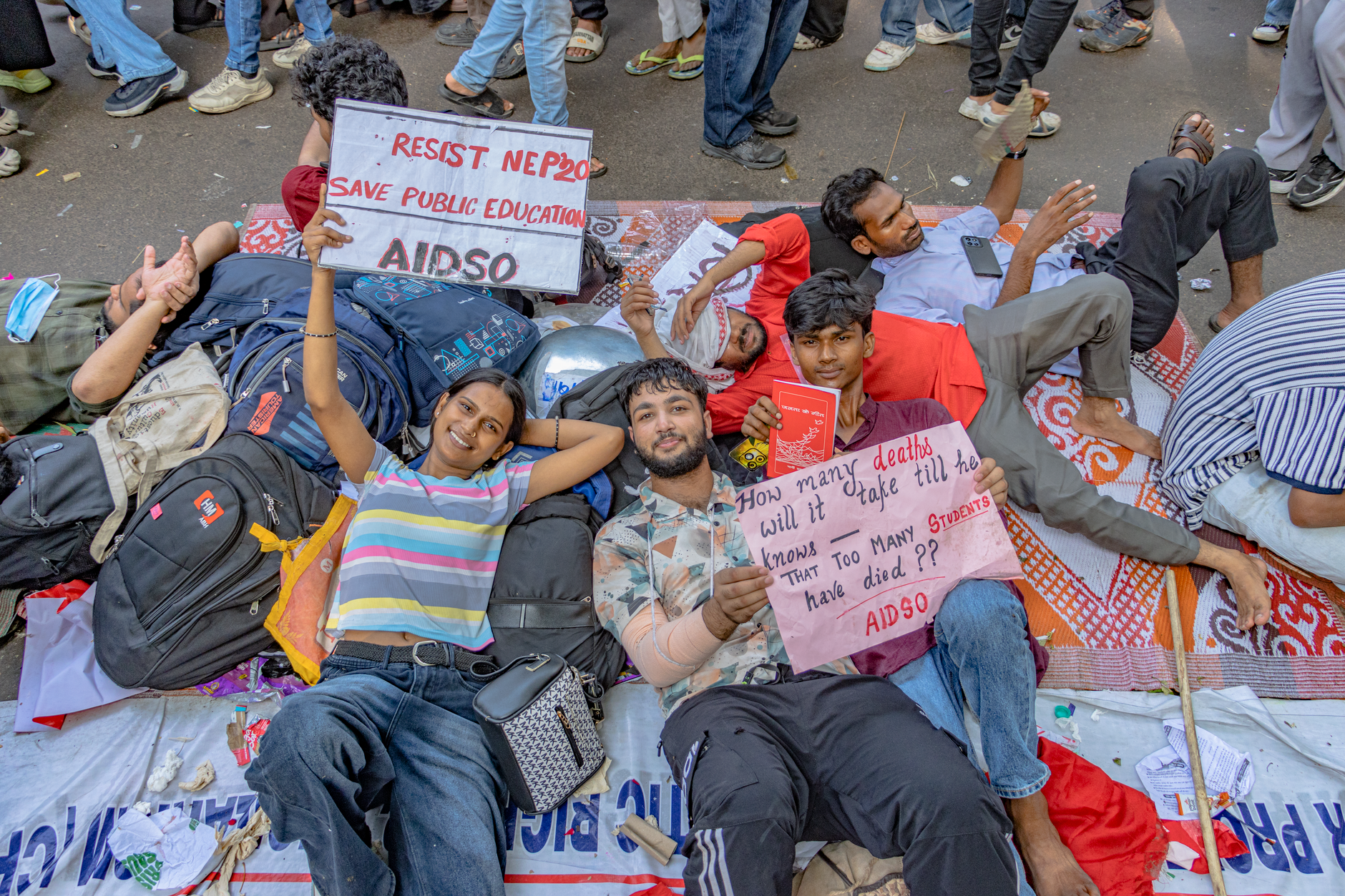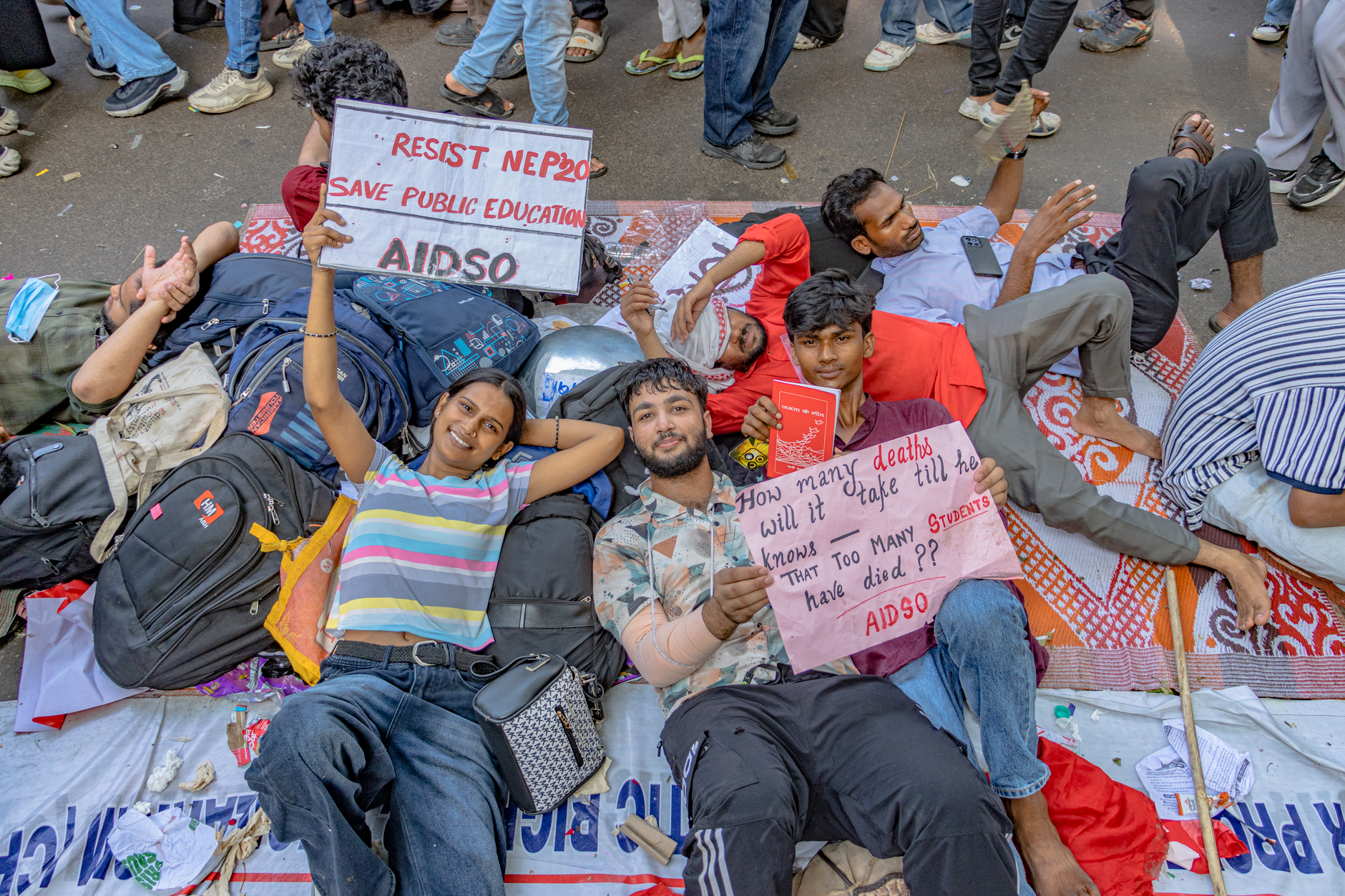
A peculiar political movement is capturing the attention of India's youth, born from internet humour but increasingly focused on real-world change. The "Cockroach People's Party" exemplifies how Gen Z Indians are channeling frustration with traditional institutions into creative forms of activism, particularly around education system failures.
From Memes to Movement
The Cockroach People's Party emerged from the same digital spaces where young Indians discuss exam stress, career anxieties, and the pressures of a competitive education system. The deliberately absurd name reflects a generation's sense of being treated as disposable—like cockroaches—by institutions that prioritize test scores over student well-being.
What started as satirical posts mocking political rhetoric has resonated with millions of young Indians who feel disconnected from conventional political parties. The movement's growth mirrors global trends of youth-led organizations using humour and social media to address serious grievances.
The Education Crisis Driving Youth Frustration
India's education system serves over 250 million students, making it one of the world's largest. However, young Indians increasingly question whether this system prepares them for modern careers or simply perpetuates stress and rote learning.
The coaching industry, particularly for competitive exams like JEE and NEET, has created an environment where teenagers spend years in high-pressure preparation. Tragic incidents of student suicides in coaching hubs like Kota have highlighted mental health crises that mainstream politicians often overlook.
Gen Z Indians also face a stark employment reality. Despite higher education attainment than previous generations, youth unemployment remains stubbornly high. Many graduates find themselves overqualified for available positions or lacking practical skills that weren't taught in traditional curricula.
What Gen Z Wants Changed
The movement's demands reflect broader frustrations with India's educational and economic policies. Young activists are calling for curriculum reforms that emphasize critical thinking over memorization, mental health support in educational institutions, and vocational training options that don't carry social stigma.
They're also demanding accountability from coaching institutes and universities, better career counseling, and education policies that acknowledge India's diverse student population rather than forcing everyone through identical examination systems.
The gig economy and startup culture have shown young Indians alternative paths to success, making them question why the education system remains rigidly focused on traditional corporate or government jobs.
Satire as Political Strategy
Using humour to discuss serious issues isn't new to Indian politics, but Gen Z has perfected it for the social media age. The Cockroach People's Party employs memes, viral videos, and deliberately provocative statements to spark conversations that traditional political discourse often avoids.
This approach serves multiple purposes. It makes political engagement accessible to young people who might find conventional activism intimidating. It bypasses traditional media gatekeepers by spreading organically through social networks. And it disarms critics—dismissing the movement as "just jokes" means dismissing concerns of millions of young voters.
Challenges of Translating Online Activism to Real Change
The movement faces questions about sustainability and effectiveness. Can social media engagement translate into policy influence? Will the loosely organized collective develop formal structures necessary for institutional change?
Sceptics point out that many youth movements globally have struggled to maintain momentum or achieve concrete reforms. The decentralized nature that makes these movements accessible also makes them vulnerable to co-option or fragmentation.
However, supporters argue that changing the conversation is itself valuable. By forcing education reform into public discourse and making student mental health a political issue, even a "satirical" movement can shift priorities for established parties seeking young voters.
The Broader Implications
The Cockroach People's Party represents something larger than any specific policy demand. It signals generational frustration with institutions that seem unresponsive to changing realities. India's young population is its greatest demographic asset, but only if their education prepares them for meaningful work and their voices influence the systems shaping their futures.
As India's Gen Z comes of voting age, their unconventional political engagement methods will increasingly influence how campaigns are run and which issues dominate political agendas. Whether through formal parties or satirical movements, this generation is demanding a seat at the table where decisions about education, employment, and their futures are made.
The movement's evolution from joke to genuine activism demonstrates that young Indians are not politically apathetic—they're simply creating new forms of engagement that reflect their digital-native communication styles and their determination to be heard.