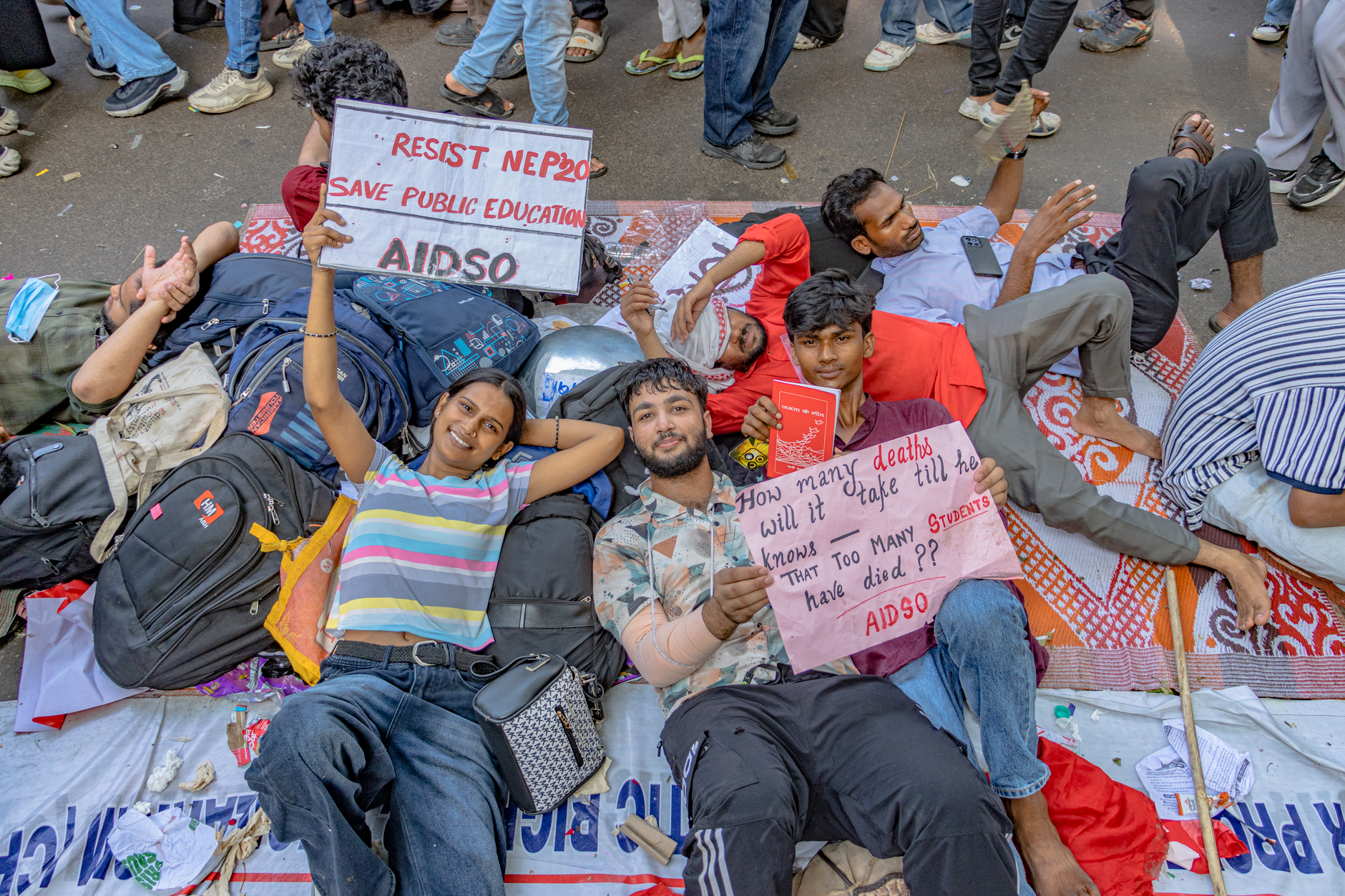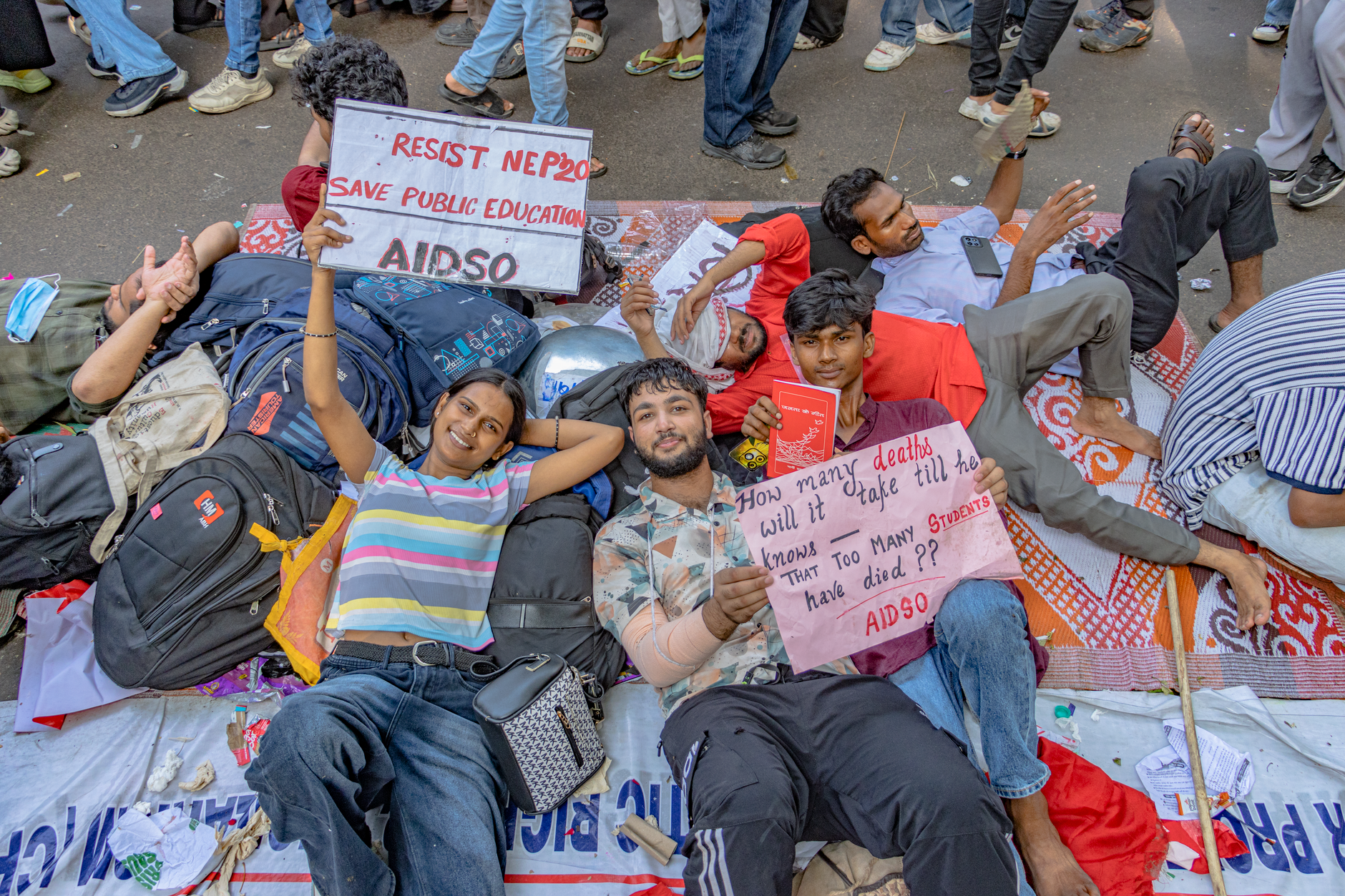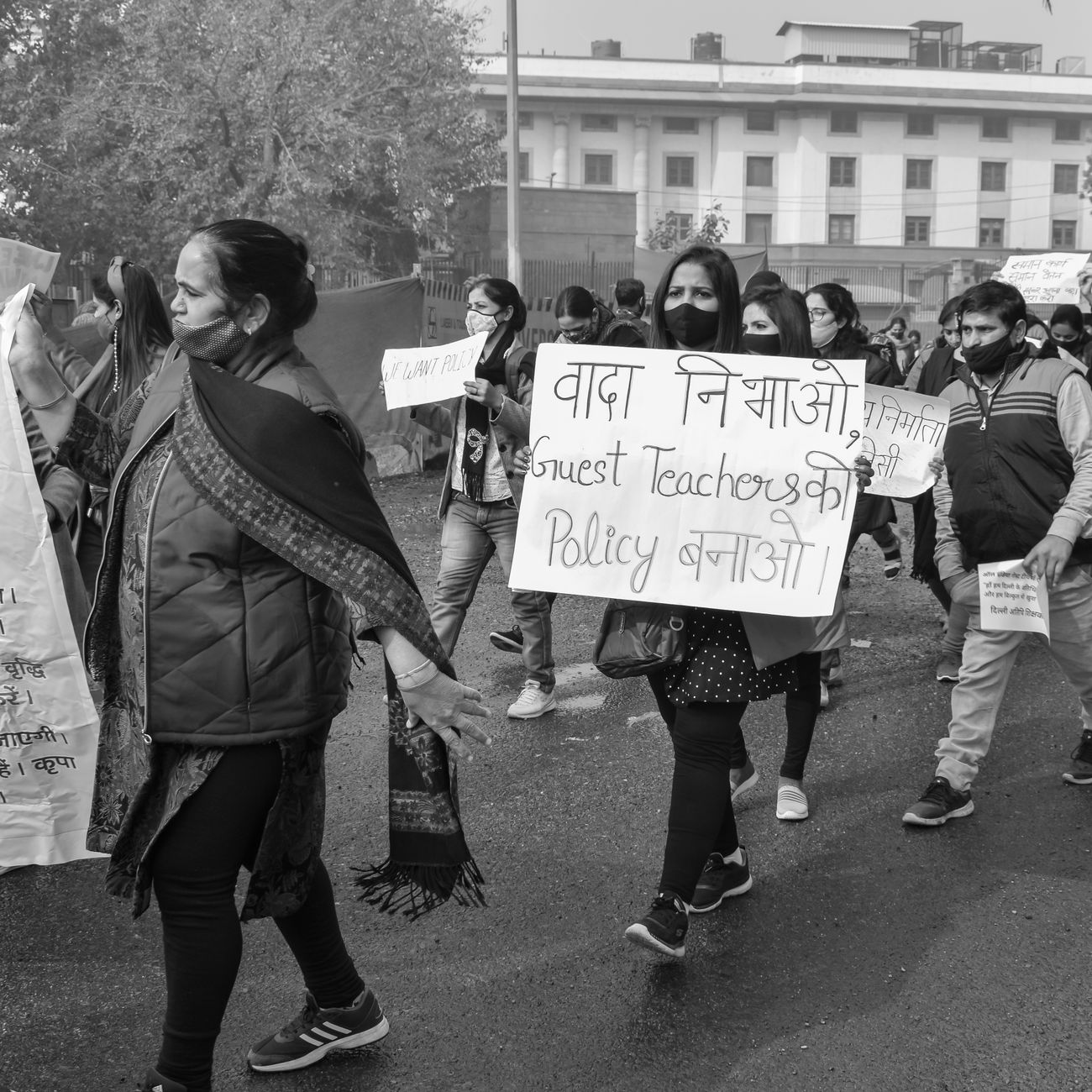
India's capital frequently witnesses large-scale public demonstrations, with Jantar Mantar serving as the designated protest site since decades. When thousands gather to march toward Parliament, it represents one of democracy's most visible expressions—citizens directly petitioning their elected representatives on issues they believe demand urgent attention.
The Role of Jantar Mantar in Indian Democracy
Located in the heart of New Delhi, Jantar Mantar has been the staging ground for countless protests since India's independence. The area became synonymous with peaceful demonstrations, where farmers, teachers, students, and various civil society groups have historically assembled to voice concerns ranging from educational reform to employment policies.
The site's proximity to Parliament makes it strategically significant. When protesters march the short distance from Jantar Mantar to Parliament Street, they bring their demands directly to lawmakers' doorstep, creating pressure through visible, peaceful mobilization.
Why Mass Movements Matter for Educational Reform
Many significant changes in India's education sector have emerged following sustained public pressure. Whether demanding increased education budgets, teacher recruitment, fee regulation, or curriculum reforms, organized protests have historically influenced policy decisions.
Student unions, parent associations, and education activists often organize such marches when they believe the system fails to address critical issues. These might include:
- Delays in exam results or degree certificates
- Inadequate infrastructure in government schools
- Teacher vacancies affecting learning outcomes
- Fee hikes in public universities
- Changes to admission policies or reservation norms
- Recognition of degrees from certain institutions
The Constitutional Right to Peaceful Assembly
The Indian Constitution guarantees citizens the right to peaceful assembly under Article 19(1)(b). This fundamental right allows people to gather, organize processions, and present memorandums to authorities without fear of reprisal, provided they remain peaceful and follow designated routes.
However, this right comes with reasonable restrictions. Authorities can impose conditions on the time, place, and manner of protests to maintain public order, protect traffic flow, and ensure security—especially near sensitive areas like Parliament.
How Large Protests Are Organized
Modern mass movements require significant coordination. Organizers typically use social media, community networks, and traditional outreach to mobilize supporters. They must:
- Obtain necessary permissions from police and district authorities
- Coordinate transportation for participants from various locations
- Arrange for basic amenities like water and medical assistance
- Brief participants on peaceful conduct and legal boundaries
- Prepare representations or demands to submit to authorities
- Manage communication with media to amplify their message
The Impact on Public Discourse
Whether successful in achieving immediate demands or not, large-scale protests serve multiple functions in a democracy. They draw media attention to neglected issues, force political parties to take positions, and demonstrate the depth of public feeling on specific matters.
In the education sector particularly, protests have led to government committees being formed, policies being reconsidered, and budgetary allocations being increased. The visibility created by thousands marching together often achieves what years of quiet petitioning cannot.
Challenges and Criticisms
Mass protests also face legitimate criticisms. They can disrupt normal city functioning, inconvenience commuters, and strain law enforcement resources. Critics argue that in a democracy with elected representatives, such street demonstrations should be unnecessary if proper institutional channels function effectively.
The language used to describe protesters—whether respectful or derogatory—often reveals broader societal attitudes toward dissent and the right to question authority. Democratic societies must balance the right to protest with other citizens' rights to go about their daily lives unhindered.
The Educational Value of Civic Participation
Beyond specific demands, participation in organized protests serves an educational function. Citizens—especially young people—learn about their constitutional rights, understand how collective action works, develop organizational skills, and engage directly with democratic processes beyond just voting.
Universities and colleges across India have long traditions of student activism, where tomorrow's leaders learn negotiation, public speaking, and grassroots mobilization. These experiences often shape individuals' lifelong civic engagement.
Mass movements, whatever their specific cause, represent the messy but vital work of democracy—where competing interests, passionate beliefs, and institutional power continuously negotiate the terms of governance. In a diverse nation of 1.4 billion people, such visible expressions of dissent and demand remain essential channels for ensuring that those in power remain responsive to those they serve.