India's travel and tourism sector continues to demonstrate resilience and growth, with the industry's contribution to GDP expanding by 7.3 percent according to recent data from the World Travel and Tourism Council. However, this headline figure masks an interesting divergence: while domestic tourism surges ahead, spending by international visitors has declined, creating a tale of two markets within India's tourism landscape.
The Domestic Tourism Boom
The primary engine driving India's tourism GDP growth is the robust domestic travel market. Indian travelers are exploring their own country in unprecedented numbers, fueled by several converging factors. Rising middle-class incomes have made travel more accessible to millions of households, while improved infrastructure including expanded airport networks, better highways, and enhanced rail connectivity has made destinations more reachable than ever before.
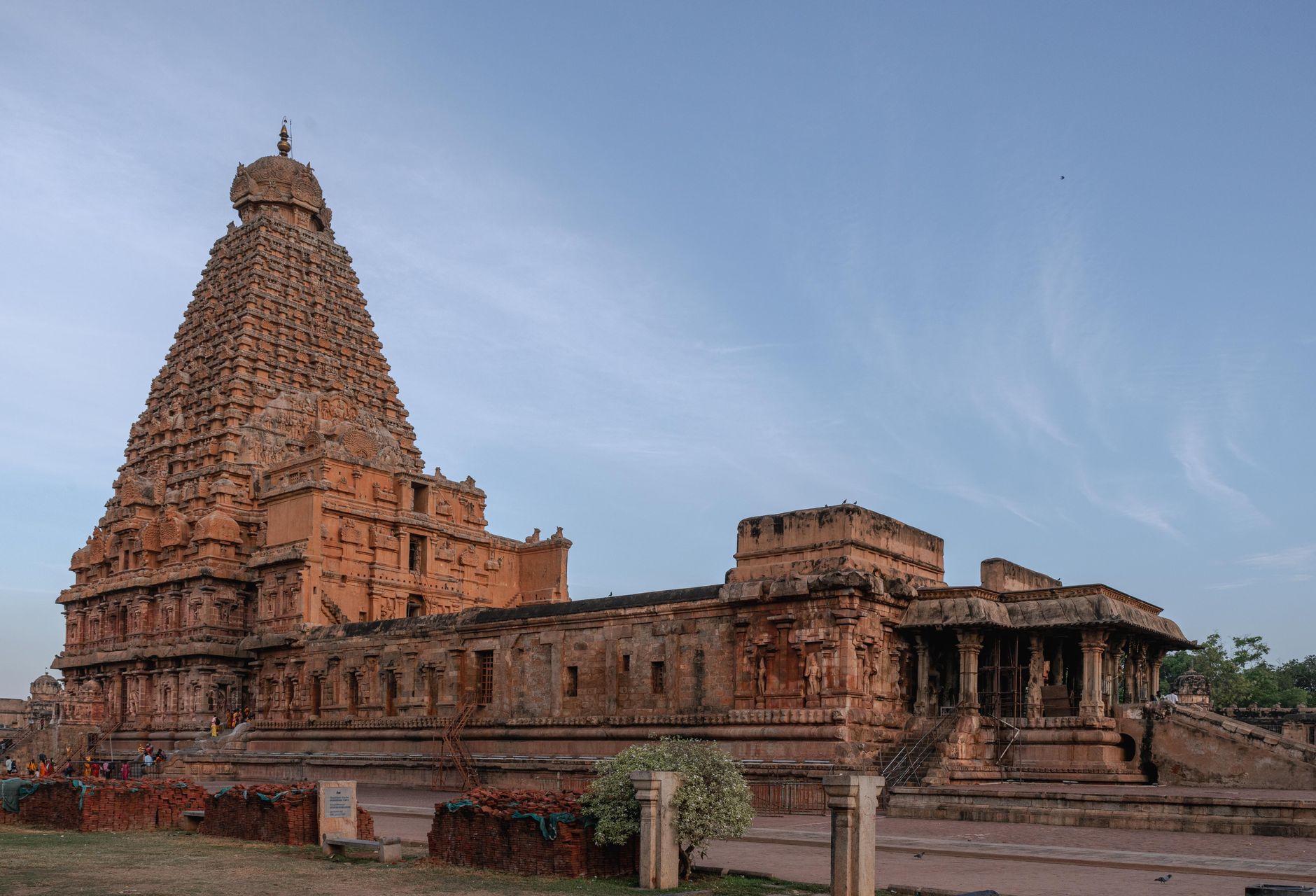
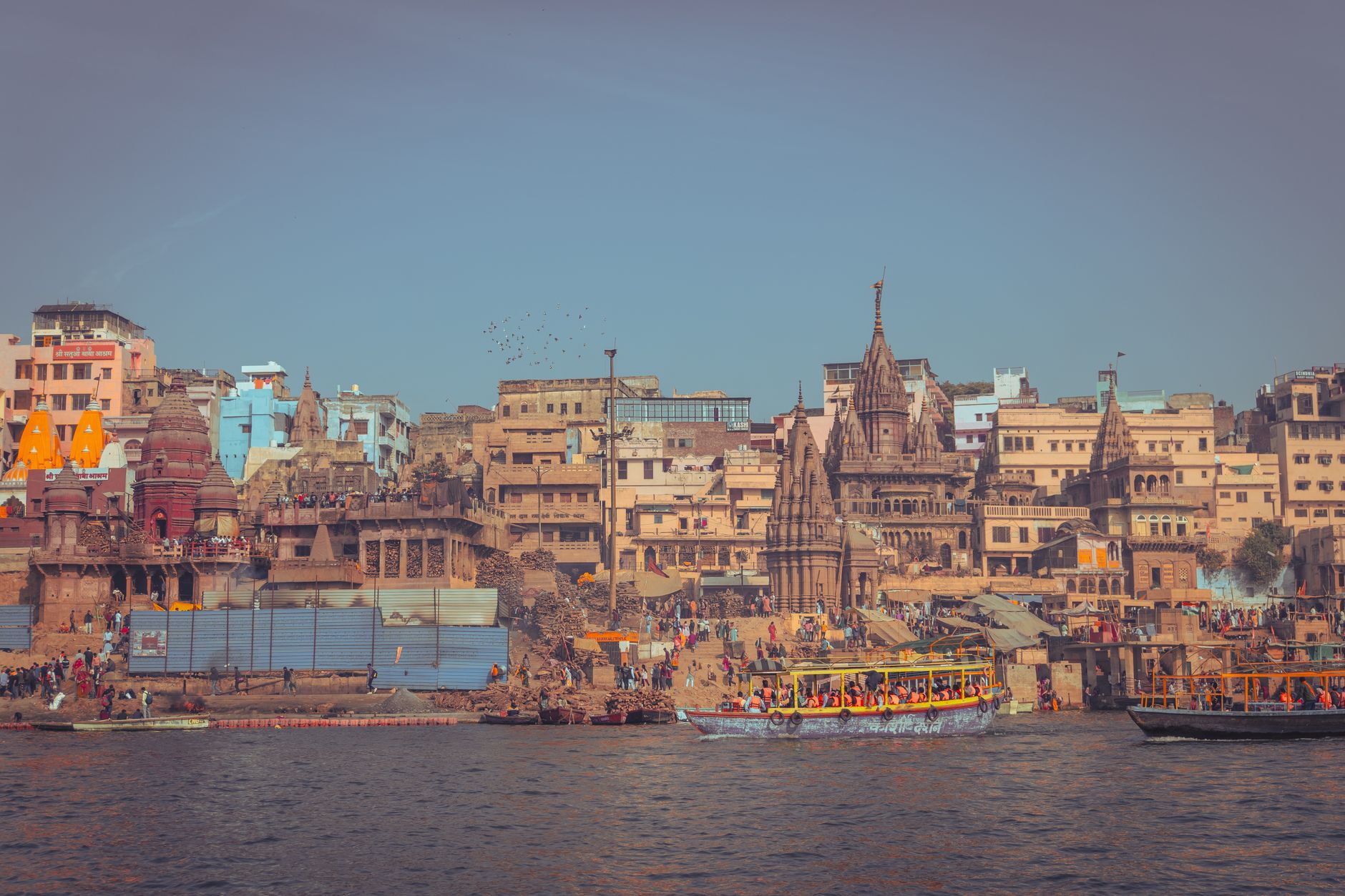
The post-pandemic revenge travel phenomenon has particularly benefited domestic destinations, with Indian families making up for lost time and experiences. Weekend getaways, pilgrimage tourism, adventure travel, and heritage tours have all seen significant upticks. States like Kerala, Rajasthan, Himachal Pradesh, and Goa continue to benefit from this internal travel boom, while emerging destinations in the Northeast and Central India are also capturing growing market share.
Digital platforms and online travel agencies have made trip planning simpler and more transparent, enabling even first-time travelers to confidently book accommodations, transport, and experiences. This democratization of travel has expanded the market beyond traditional tourist families to include young professionals, student groups, and senior citizens exploring new destinations.
The International Visitor Spending Puzzle
The decline in international visitor spending presents a more complex picture. While India continues to attract foreign tourists, the per-visitor spending appears to be declining, which could reflect several underlying trends.
Budget-conscious international travelers may be choosing more economical accommodations and experiences, particularly as global inflation and economic uncertainty impact discretionary spending worldwide. The rapid growth of budget hotels, hostels, and homestays in India provides foreign visitors with cheaper alternatives to traditional five-star properties.
The changing composition of international arrivals may also play a role. If India is attracting more backpackers, younger travelers, or visitors from neighboring countries with shorter average stays and smaller budgets, this would naturally impact overall spending figures even if total arrival numbers remain steady or grow.
Additionally, the strength of the rupee relative to certain currencies, competitive pricing from other Asian destinations, and the global shift toward value-oriented travel experiences may all contribute to reduced per-capita spending by international tourists.
Infrastructure and Service Gaps
Despite India's incredible diversity of attractions ranging from the Himalayas to tropical beaches, from ancient temples to modern cities, certain infrastructure and service challenges may be limiting the country's ability to capture higher-spending international tourists.
Premium international travelers often seek seamless experiences, world-class hospitality standards, reliable transport networks, and well-maintained tourist sites. While India has made significant strides in these areas, inconsistencies remain across different regions and destinations. High-end travelers who might spend significantly more may still prefer more developed tourism markets in Southeast Asia or the Middle East.
Language barriers, concerns about cleanliness and safety, and the complexity of obtaining visas also remain friction points that may deter some higher-spending international segments, despite recent improvements like e-visa facilities.
The Path Forward
The contrasting fortunes of domestic and international tourism segments suggest differentiated strategies may be needed. For domestic tourism, sustaining growth will require continued infrastructure investment, destination development, and maintaining value propositions that keep Indian travelers exploring their own country.
For international tourism, attracting higher-spending visitors likely requires targeted marketing campaigns in key source markets, infrastructure upgrades at major tourist sites, improved service training across the hospitality sector, and potentially streamlined visa processes for high-value tourist segments.
The strong overall GDP growth figure of 7.3 percent demonstrates that India's tourism sector remains fundamentally healthy and expanding. However, maximizing the economic benefits will require addressing the international spending decline while maintaining momentum in the booming domestic market. With strategic investments and policy support, India has the potential to excel in both segments simultaneously.