India welcomes over 10 million international tourists annually and sees hundreds of millions of domestic travellers, yet the country's tourism development has largely followed frameworks borrowed from Europe and North America. From hotel chains to tour packages, the emphasis has been on replicating Western experiences rather than showcasing what makes the subcontinent genuinely unique.
The call for an Indic model of tourism represents a fundamental rethinking of how India presents itself to the world and how Indians themselves experience their own heritage.
What Makes an Indic Tourism Model Different
An Indic approach to tourism would centre on the civilisational and cultural assets that distinguish India from other destinations. Rather than focusing solely on monument-hopping and luxury accommodations, this model would emphasise experiential immersion in living traditions, spiritual practices, and community life.
The concept draws from India's philosophical traditions that view travel not merely as leisure but as a journey of discovery and transformation. Ancient practices like tirtha yatra, or pilgrimage to sacred sites, combined physical movement with spiritual purpose. Modern tourism could adapt this holistic understanding while making it accessible to contemporary travellers.
The Current Gap in Indian Tourism
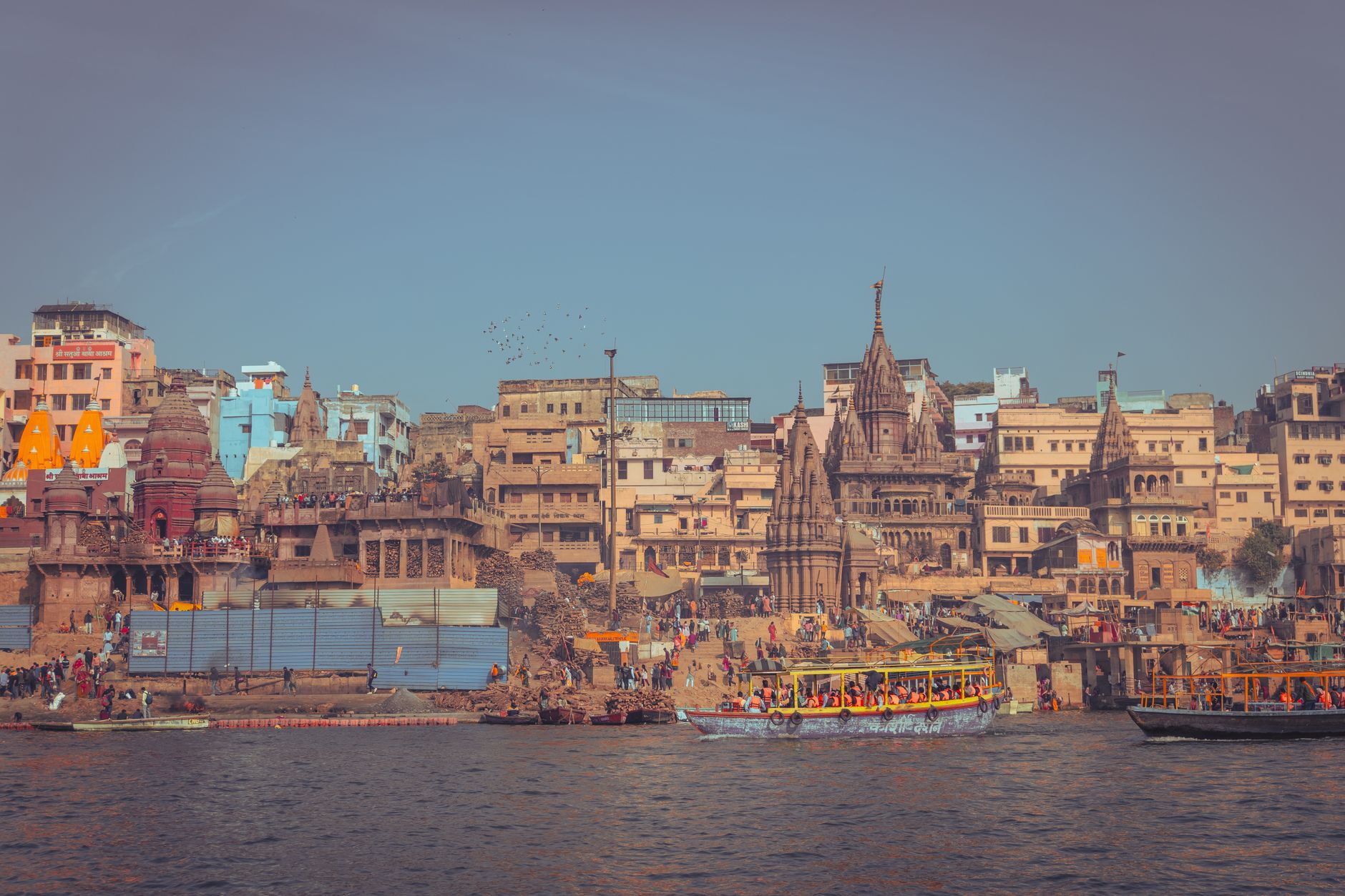
Today's tourism infrastructure in India often fails to communicate the depth of local culture. Visitors to Varanasi might photograph the ghats but leave without understanding the philosophical significance of the rituals they witness. Tourists in Kerala may enjoy houseboat rides without learning about the traditional ecological knowledge that shaped the backwaters.
This superficial engagement represents a missed opportunity. International visitors increasingly seek authentic experiences and cultural understanding, not just photo opportunities. Domestic tourists, meanwhile, often prefer international holidays because local tourism fails to make their own heritage feel compelling or well-presented.
Key Elements of an Indigenous Framework
An Indic tourism model would incorporate several distinctive features. First, it would highlight the continuity of living traditions rather than treating culture as museum pieces. Village stays could connect visitors with artisans, farmers, and practitioners of traditional crafts, creating economic opportunities for rural communities while preserving endangered skills.
Second, it would integrate wellness and spiritual tourism more thoughtfully. India is the birthplace of yoga, Ayurveda, meditation practices, and various philosophical schools. Rather than allowing these to be commodified or diluted, an Indic approach would ensure authentic teaching and practice while respecting the knowledge systems from which they emerge.
Third, such a model would emphasise sustainable and regenerative tourism. Traditional Indian architecture, water management systems, and agricultural practices offer time-tested sustainable solutions. Tourism development could showcase and revive these practices rather than imposing energy-intensive Western models inappropriate for local climates and ecosystems.
Economic and Social Benefits
The economic argument for an Indic tourism model is compelling. Cultural distinctiveness is a competitive advantage in a crowded global market. Japan's success in presenting its unique culture to international visitors while maintaining authenticity offers a valuable parallel. Travelers willing to pay premium prices for genuine experiences in Kyoto or Tokyo suggest similar potential for Indian destinations that get the formula right.
An indigenous approach would also distribute tourism benefits more equitably. Currently, economic gains concentrate in major cities and established circuits. Community-based tourism rooted in local culture could revitalise smaller towns and villages, creating livelihoods while giving young people reasons to stay in their ancestral places rather than migrating to overcrowded metros.
Challenges in Implementation
Shifting to an Indic model faces significant obstacles. Infrastructure gaps remain severe in many culturally rich areas. Training guides and hospitality professionals to communicate cultural depth requires substantial investment in education. Balancing commercial viability with cultural sensitivity demands careful planning.
There is also the risk of commodification and the creation of artificial "traditional" experiences that amount to theme parks rather than genuine engagement. Any Indic tourism model must involve local communities as stakeholders and decision-makers, not mere performers for visitor entertainment.
The Path Forward
Developing an Indic tourism model requires collaboration between governments, private sector, local communities, and cultural experts. Some states have begun experimenting with heritage walks, artisan clusters, and sustainable village tourism initiatives that point toward what is possible.
Success will ultimately be measured not just in tourist numbers or revenue, but in whether tourism becomes a force for cultural preservation, community empowerment, and sustainable development. India has the cultural assets; the question is whether it can develop the frameworks to present them with both authenticity and sophistication.
The goal is not to reject all Western influences or modern amenities, but to ensure that India's tourism identity reflects its own civilisational strengths rather than remaining an imitation of models developed for different societies and landscapes.