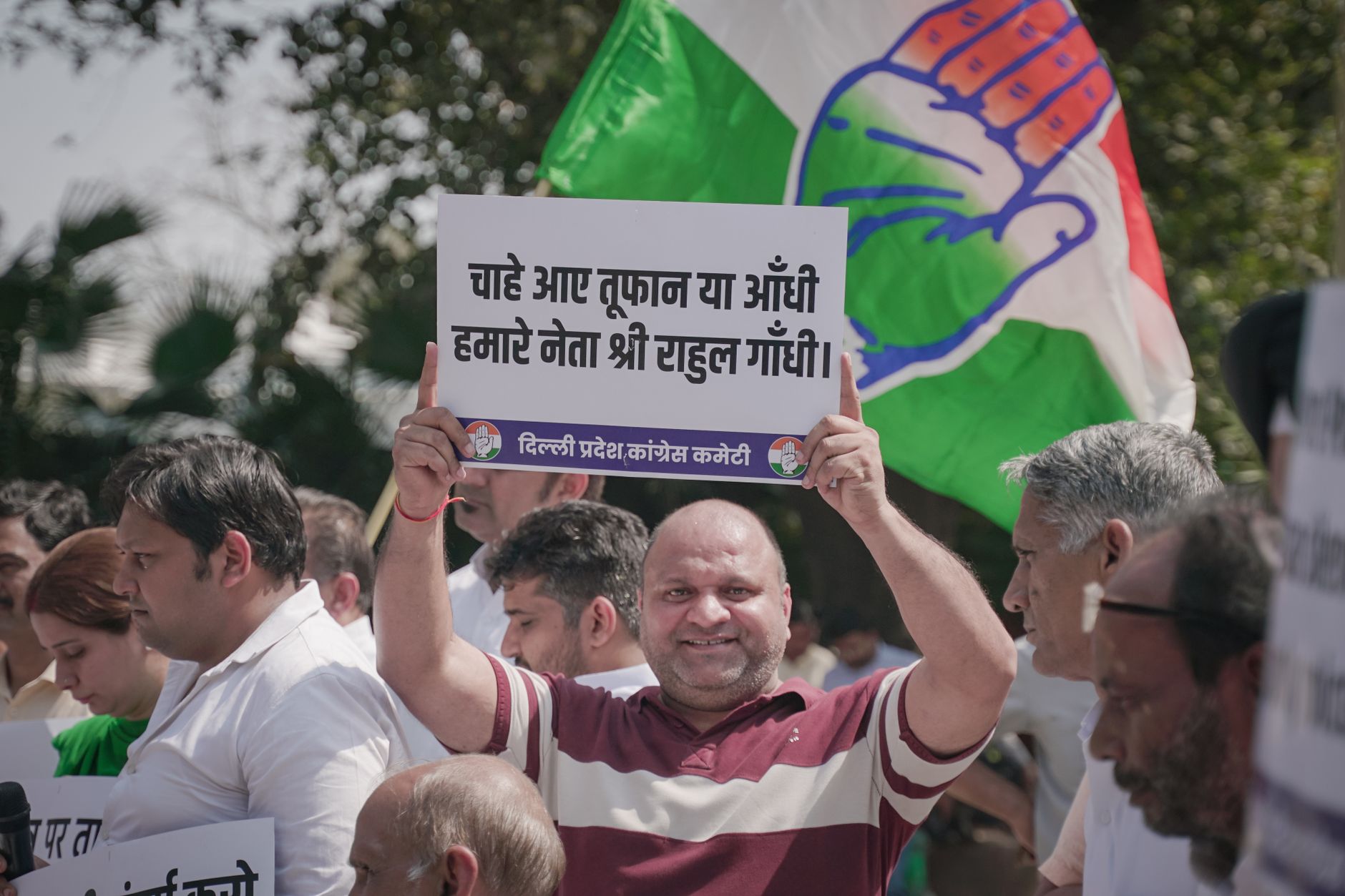
Union Education Minister Dharmendra Pradhan has publicly criticized Congress leader Rahul Gandhi, asserting that the country's students deserve more than symbolic gestures and political rhetoric. This latest exchange between the ruling Bharatiya Janata Party (BJP) and the opposition Congress party brings educational issues and student welfare to the forefront of national discourse.
The Context of the Criticism
Political exchanges regarding education have intensified as India navigates challenges in its educational ecosystem. From examination reforms to concerns about paper leaks, infrastructure development to employment opportunities for graduates, the education sector faces multiple pressing issues that affect millions of students across the country.
The minister's remarks appear directed at what he perceives as opposition criticism without constructive alternatives. This reflects a broader pattern in Indian politics where parties frequently clash over who better represents student interests and who has delivered more tangible benefits to the educational sector.
Key Issues in Indian Education Today
India's education system currently grapples with several significant challenges that impact students at various levels:
- Examination integrity concerns, including allegations of paper leaks in competitive exams
- Infrastructure gaps in government schools and higher education institutions
- Quality of education and learning outcomes across states
- Digital divide affecting online learning accessibility
- Employability and skill development for graduates
- Affordability of higher education and availability of scholarships
- Mental health and pressure faced by students in competitive environments
Government Initiatives and Opposition Critiques
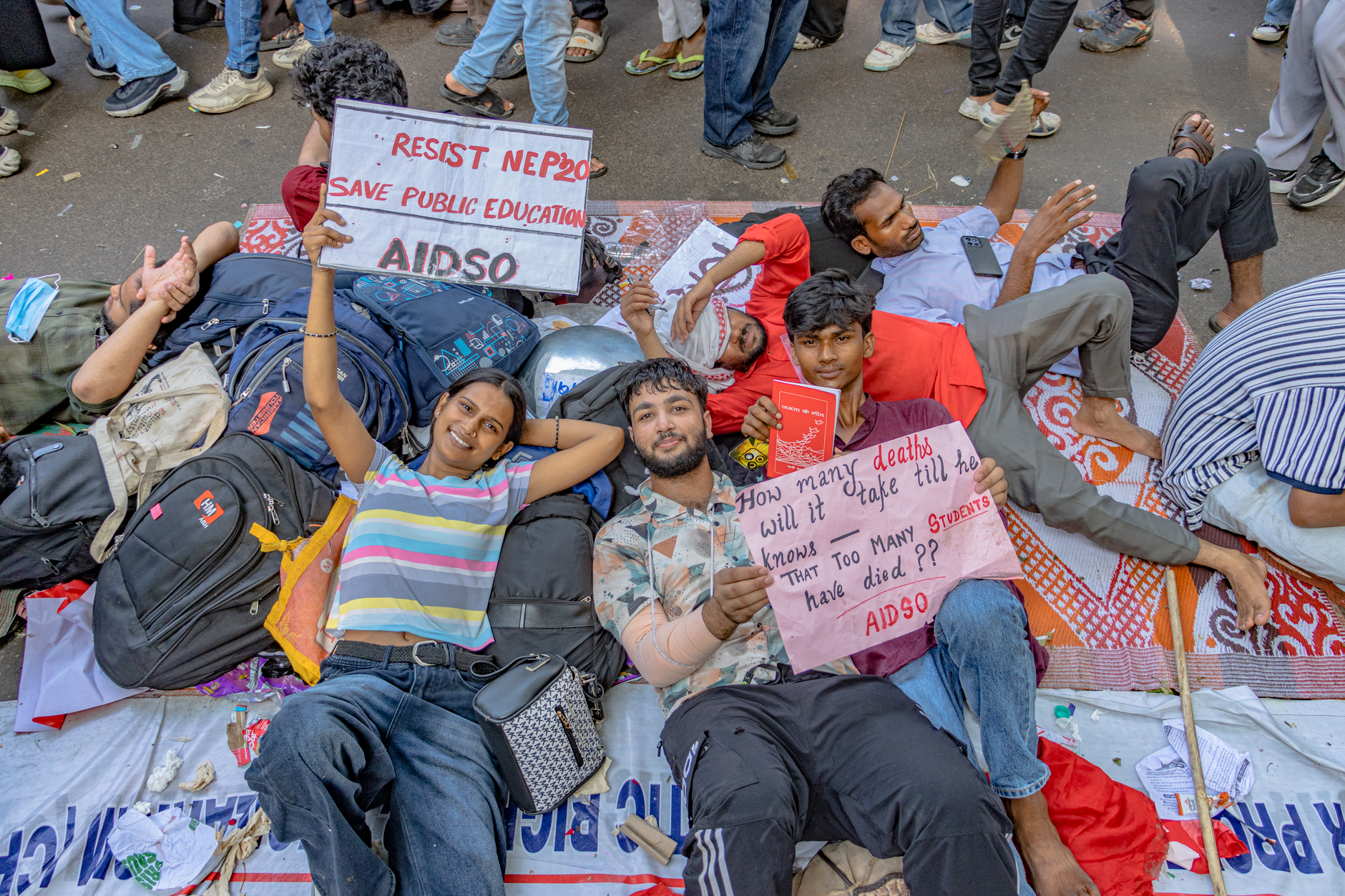
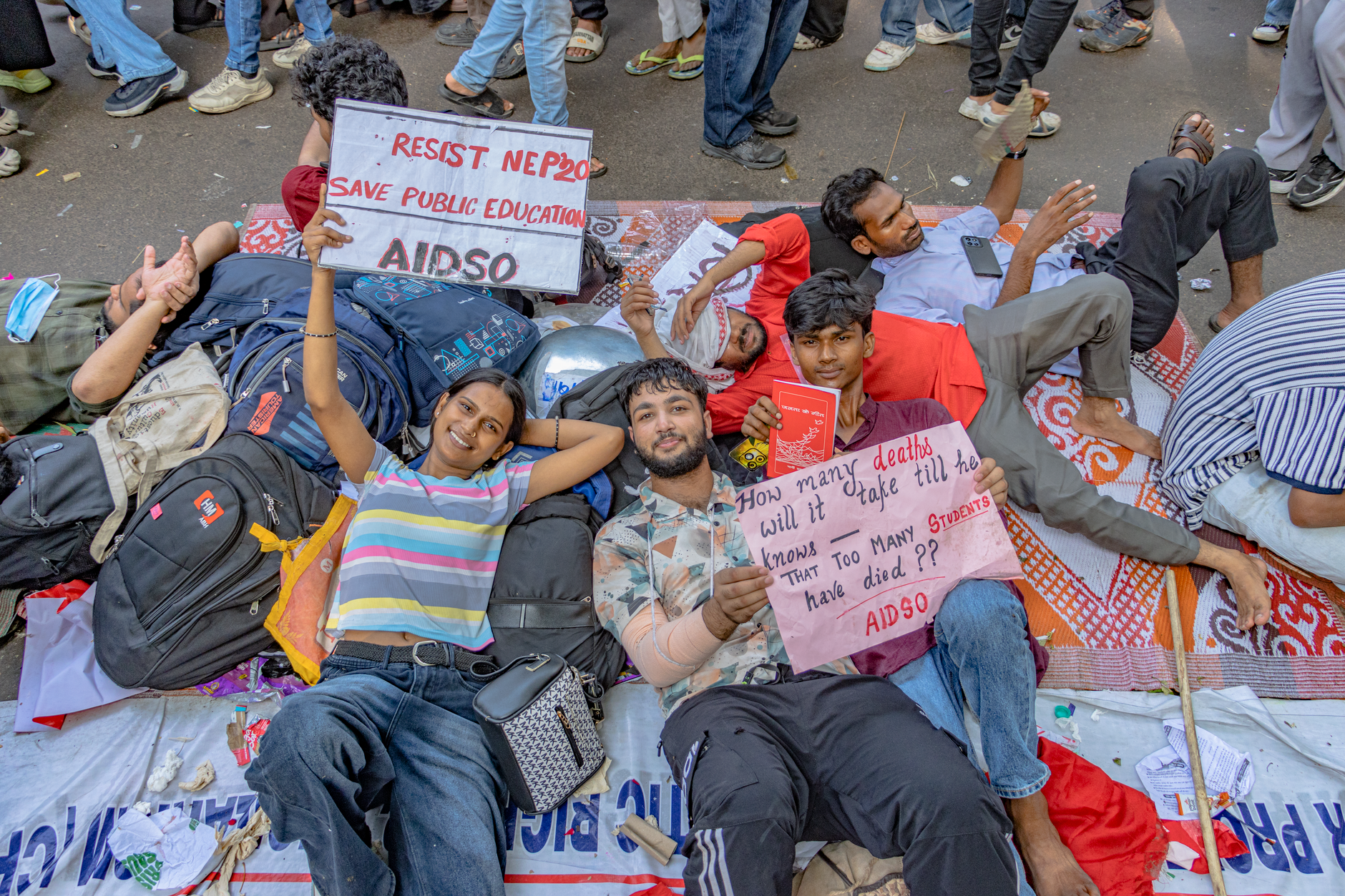
The current government has introduced various educational initiatives in recent years, including the National Education Policy 2020, which aims to overhaul the entire educational framework. The policy proposes multidisciplinary education, multiple entry and exit points in higher education, and greater emphasis on vocational training and skill development.
Additionally, schemes such as the PM-USHA (Pradhan Mantri Uchchatar Shiksha Abhiyan) for improving state universities, digital initiatives like SWAYAM for online courses, and various scholarship programs have been launched to address student needs.
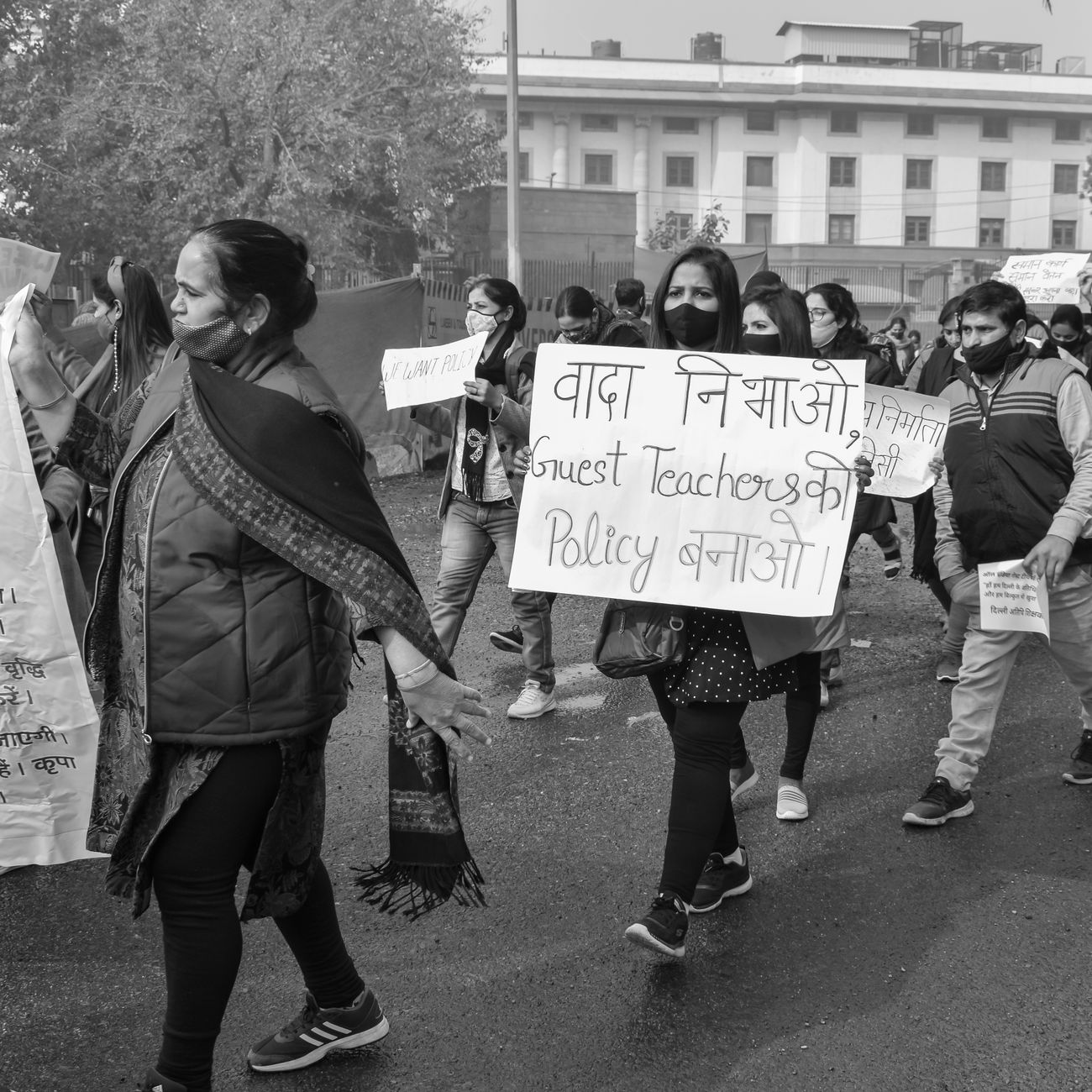
However, opposition parties, including Congress, have raised concerns about implementation gaps, alleging that many initiatives exist only on paper without reaching intended beneficiaries. They have also criticized handling of issues like examination irregularities and delays in recruitment processes for teaching positions.
The Role of Political Discourse in Education
Educational matters in India often become politically charged, particularly as they affect a significant voting demographic. Young voters and their families constitute a crucial constituency, making education policy a sensitive and important political battleground.
Constructive political debate on education can drive improvements and hold governments accountable. However, critics argue that excessive politicization sometimes detracts from collaborative problem-solving and evidence-based policymaking.
Student Expectations and Challenges
Students in India face a competitive environment with limited seats in premier institutions and fierce competition for employment opportunities. Their primary concerns typically include:
- Fair and transparent examination systems
- Quality education that provides practical skills
- Affordable access to higher education
- Safe and inclusive campus environments
- Timely completion of courses without disruptions
- Employment opportunities matching their qualifications
Moving Forward
The exchange between political leaders highlights the need for all stakeholders to move beyond rhetoric toward actionable solutions. Students benefit most when governments, opposition parties, educational institutions, and civil society work collaboratively to address systemic challenges.
Effective educational reform requires sustained investment, administrative efficiency, regular stakeholder consultation, and periodic assessment of outcomes. Political will across party lines can accelerate improvements that directly impact students' lives and futures.
As India aspires to become a global knowledge economy, ensuring quality education and student welfare remains paramount. The debate between political leaders serves as a reminder that students are watching and evaluating leaders based on concrete outcomes rather than political point-scoring.
The ultimate measure of success in educational governance will be improved learning outcomes, increased access to quality education, better employment prospects for graduates, and an educational environment that nurtures innovation and critical thinking while supporting student well-being.