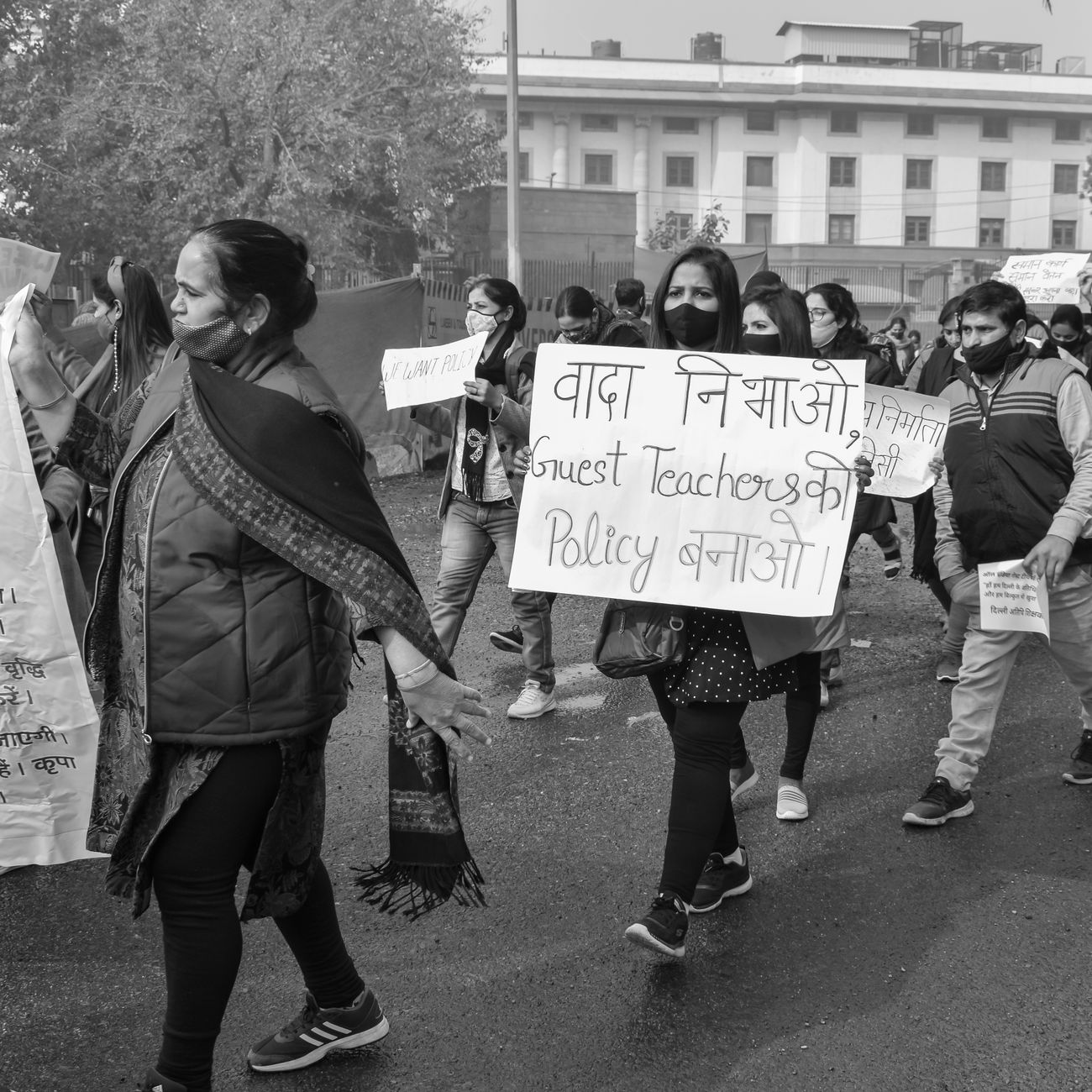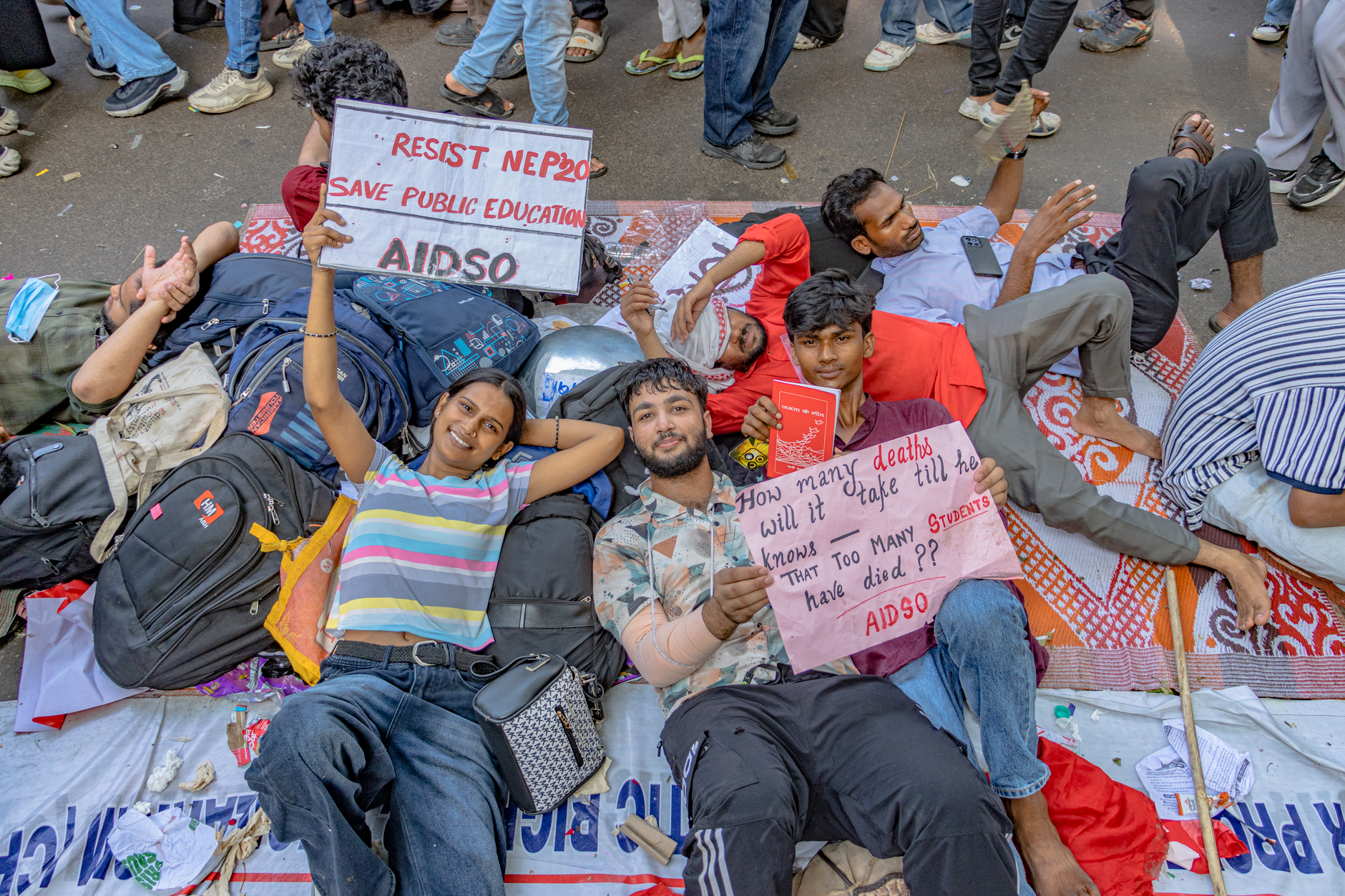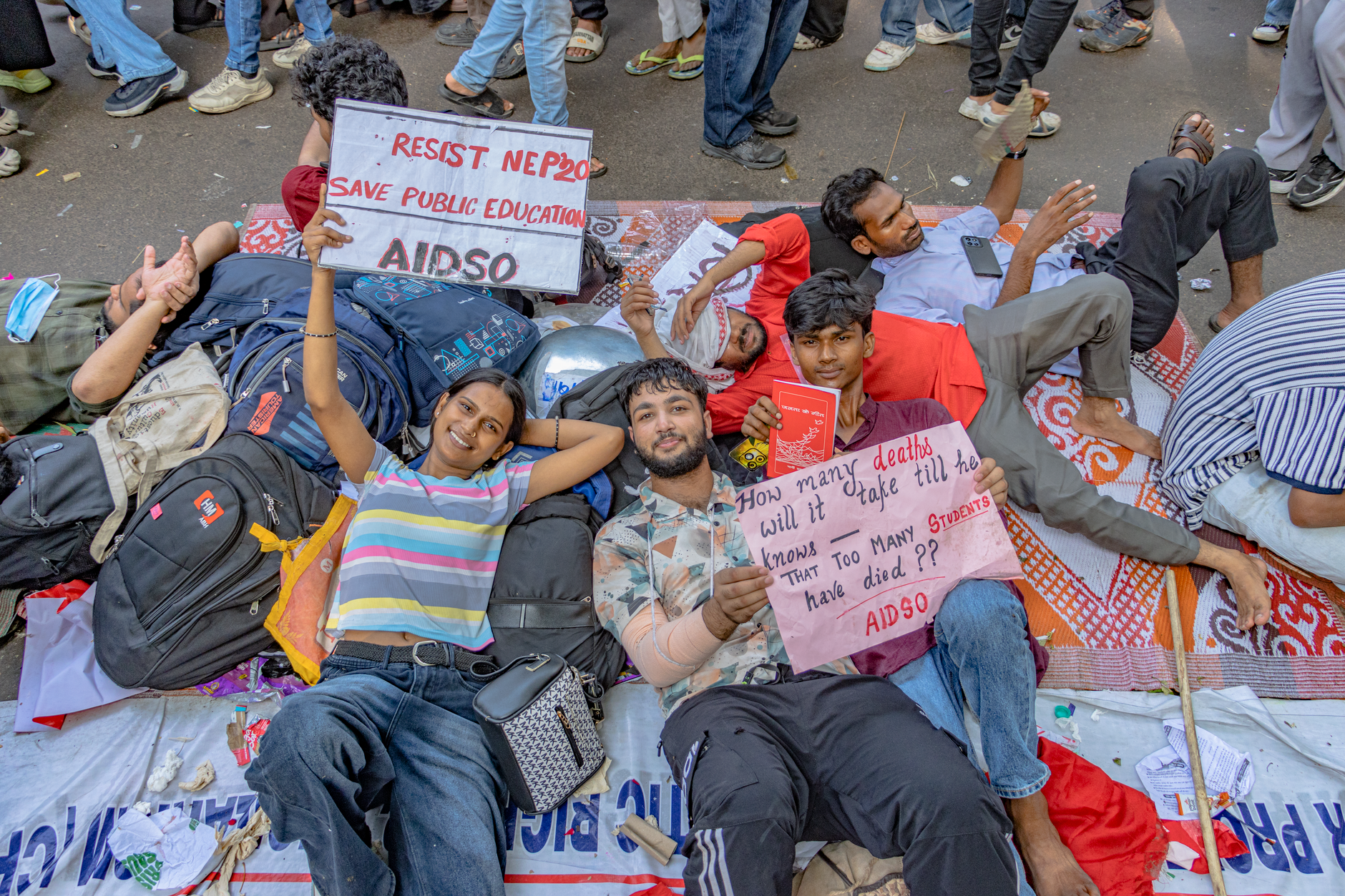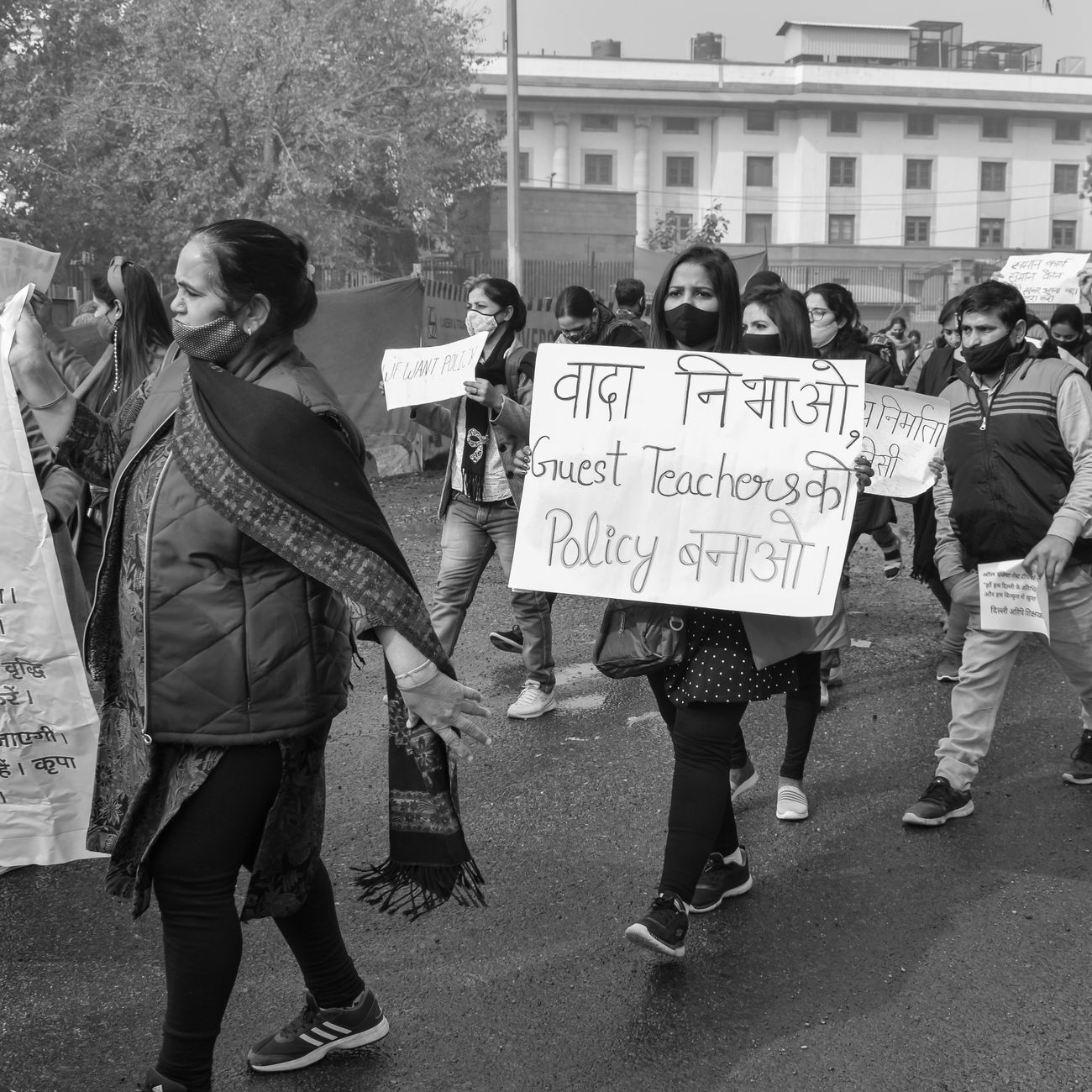
Civil society organizations and education advocacy groups have thrown their support behind a planned march to Parliament on Monday, organized by the Campaign for Judicial Accountability and Reforms (CJP), calling for a fundamental restructuring of India's education system. The demonstration reflects growing frustration among activists, educators, and concerned citizens over what they view as systemic failures in delivering quality, equitable education across the country.
The Growing Movement for Education Reform
The Education Rights Forum, a coalition of grassroots organizations, teachers' unions, and student groups, has publicly endorsed the march, emphasizing that India's current education framework fails to meet constitutional guarantees of accessible, inclusive learning for all children. The forum argues that despite decades of policy initiatives and increased budgetary allocations, the system remains plagued by deep-rooted inequalities that disproportionately affect marginalized communities.
Education activists point to several critical issues that warrant immediate attention. Public schools in rural and underserved urban areas continue to suffer from inadequate infrastructure, with many lacking basic amenities like functional toilets, drinking water, and proper classroom facilities. Teacher shortages remain acute in several states, forcing students to navigate overcrowded classrooms or rely on undertrained instructors.
Key Demands of the Movement
While specific demands may vary across participating organizations, the core agenda centers on comprehensive systemic reform rather than piecemeal adjustments. Advocacy groups are calling for increased public investment in education, particularly at the elementary and secondary levels where dropout rates remain concerningly high among economically disadvantaged students.
The movement emphasizes the need for curriculum reform that moves beyond rote memorization toward critical thinking, creativity, and practical skills development. Many educators argue that the current examination-centric model creates unnecessary stress while failing to prepare students for real-world challenges and opportunities.
Access to education for children with disabilities, tribal communities, and other marginalized groups remains another focal point. Despite legislative provisions like the Right to Education Act, implementation gaps mean thousands of children still lack meaningful access to quality schooling.
Privatization Concerns
A significant strand of the reform movement addresses the rapid privatization of education and the proliferation of costly private institutions. Critics argue that this trend has created a two-tier system where quality education becomes a commodity available only to those who can afford steep fees, undermining the principle of education as a fundamental right.
The reliance on private coaching institutes for competitive examinations has become a parallel economy, placing additional financial burden on middle-class families while raising questions about the efficacy of formal schooling. Reformers seek policy interventions that strengthen public education rather than facilitating its gradual replacement by private alternatives.
Historical Context and Constitutional Promises
India's Constitution, through various articles and the 86th Amendment, establishes education as a fundamental right for children aged 6-14 years. The directive principles further emphasize the state's obligation to provide free and compulsory education. However, the gap between constitutional vision and ground reality has widened over the years, prompting civil society to demand accountability.
Previous mass movements around education have yielded mixed results. While the Right to Education Act of 2009 represented a legislative milestone, its implementation has been inconsistent across states. The New Education Policy 2020 introduced ambitious reforms but also sparked debates about resource allocation, language policy, and the role of private sector participation.
The Path Forward
Monday's march represents part of a broader conversation about India's development priorities and social contract. Education reformers argue that without addressing foundational inequalities in schooling, the country cannot achieve inclusive economic growth or fulfill its demographic dividend potential.
The involvement of the Campaign for Judicial Accountability and Reforms signals concerns about judicial interpretation and enforcement of education rights. Legal activism has historically played a crucial role in expanding educational access, and advocates hope for stronger judicial oversight of government commitments.
As participants gather for the Parliament march, they join a long tradition of citizens mobilizing for education justice in India. Whether this movement catalyzes meaningful policy change depends on sustained pressure, political will, and the ability to build coalitions across diverse stakeholders in the education ecosystem.
The coming weeks will reveal whether policymakers respond substantively to these demands or whether the march becomes another chapter in the ongoing struggle to realize education as a genuine right rather than a privilege determined by geography, caste, or economic status.