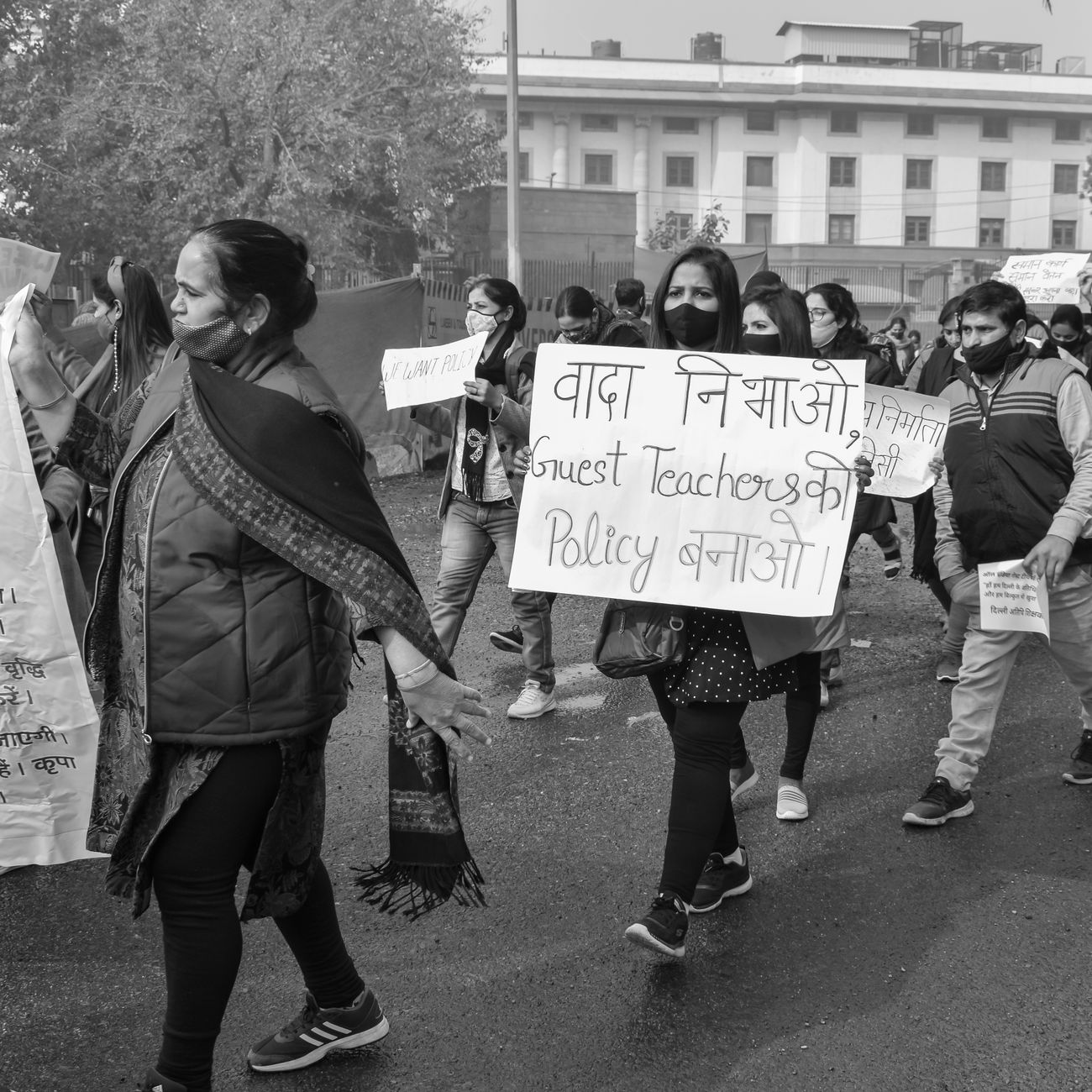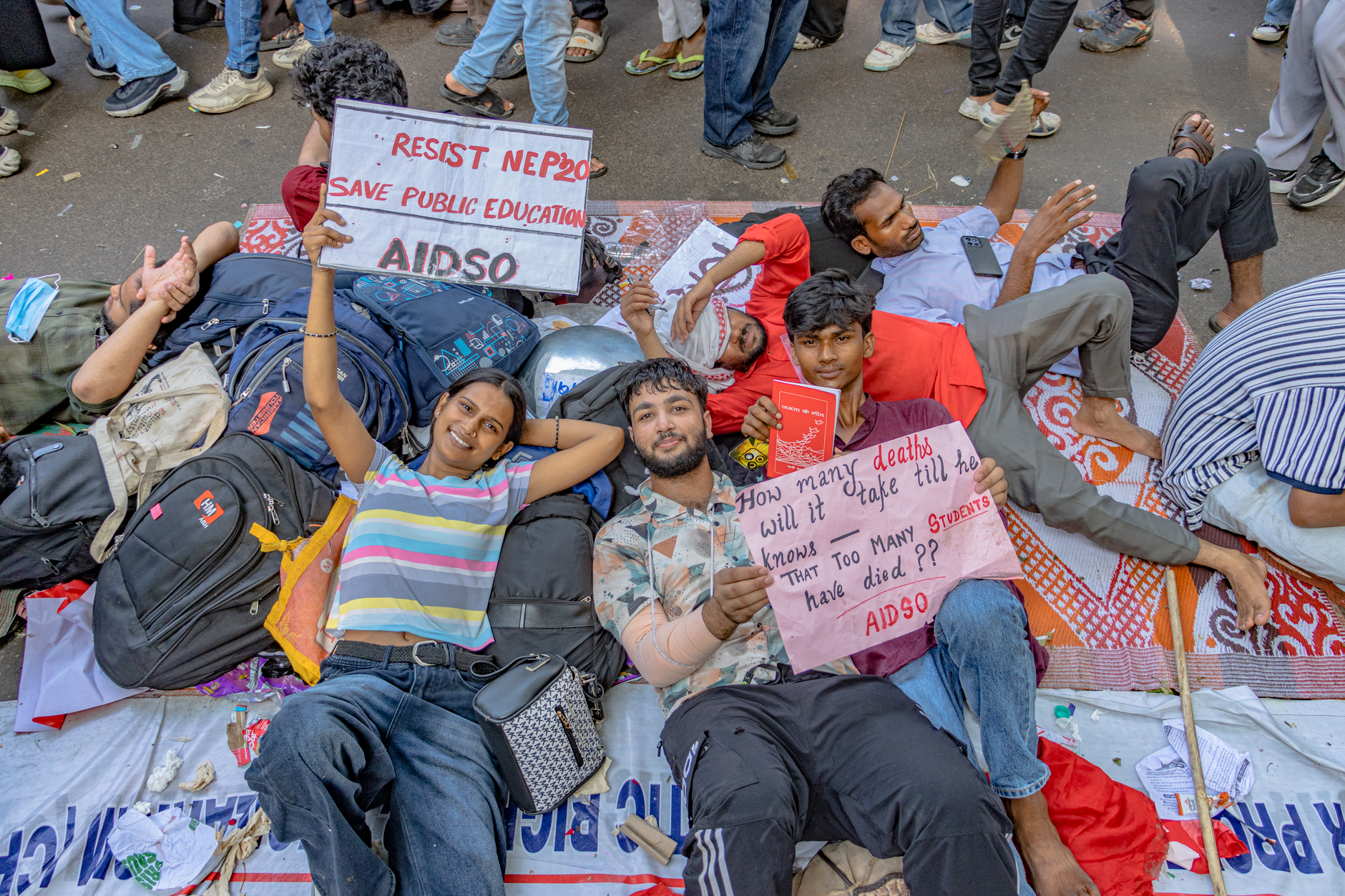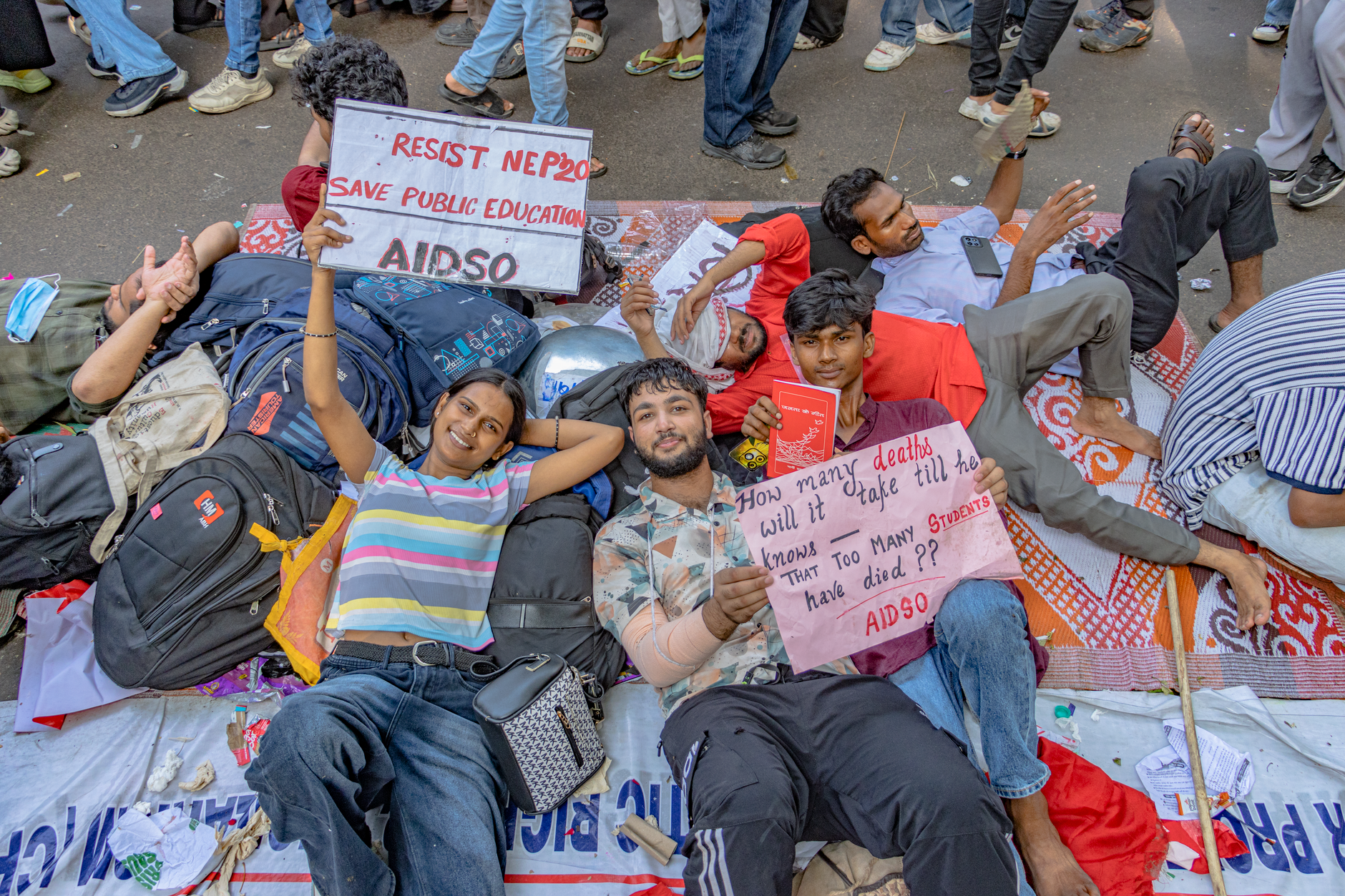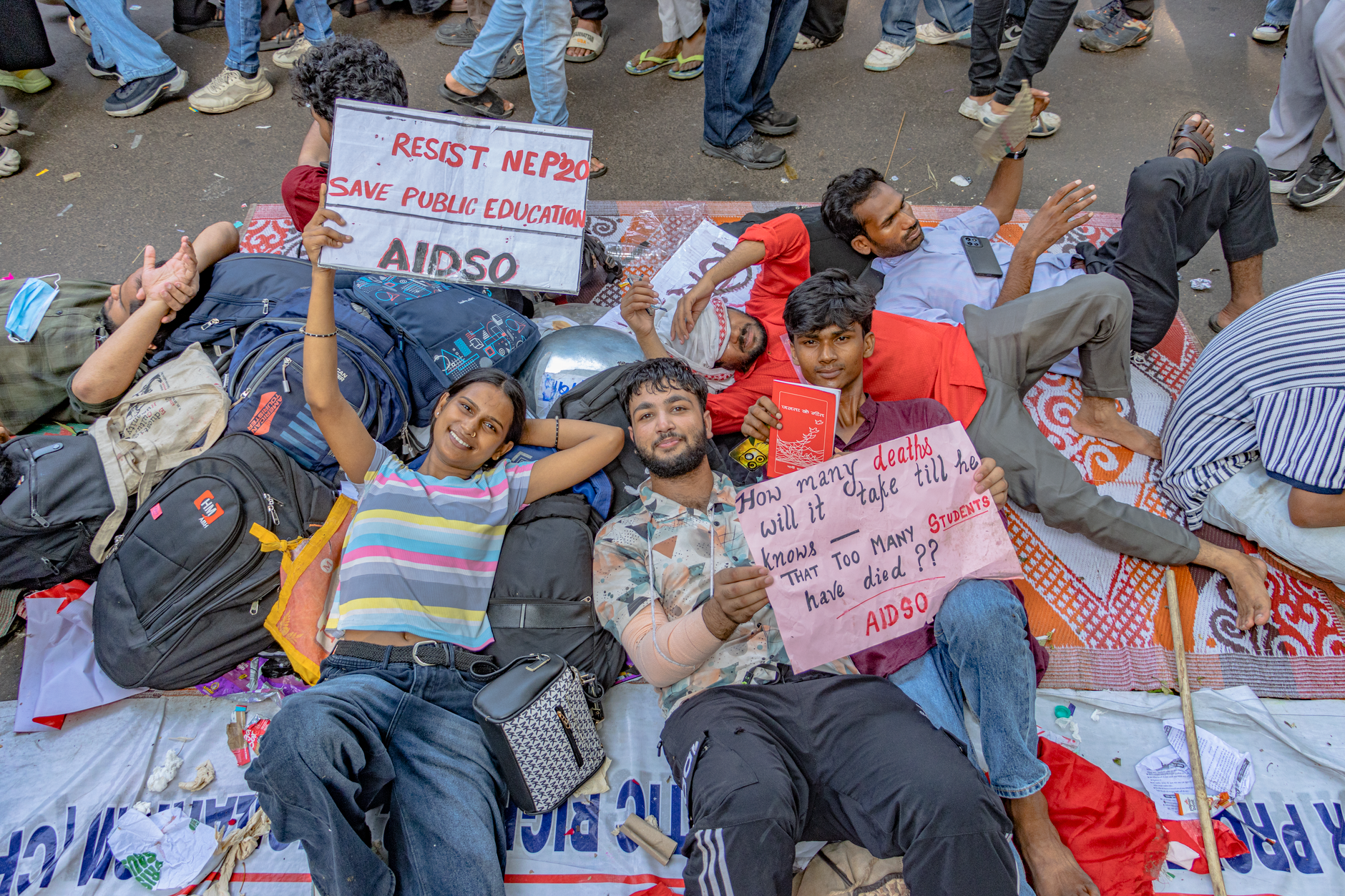
Civil society organizations in India's capital have ramped up their public demonstrations against the education minister, with the Citizens for Justice and Peace (CJP) at the forefront of sustained protests. The movement reflects growing discontent among various stakeholders over recent policy decisions affecting Delhi's education landscape.
Background of the Protests
The protests stem from a combination of grievances related to educational governance, policy implementation, and alleged administrative failures. Parents, teachers, students, and civil rights activists have joined forces under the coordination of CJP, demanding transparency and accountability from education authorities.
Delhi's education sector has long been a focal point of political debate, with competing visions for reform clashing between different governmental bodies. The current agitation highlights tensions between civil society expectations and the government's educational agenda.
Key Demands of the Demonstrators
Protesters have articulated several core demands that form the basis of their sustained campaign:
- Immediate reversal of controversial policy changes affecting curriculum and school administration
- Greater transparency in educational budgeting and resource allocation
- Improved infrastructure and facilities in government schools across Delhi
- Protection of teachers' rights and job security
- Enhanced safety measures for students in educational institutions
- Inclusive policies that address the needs of marginalized communities
The CJP has organized these demands into a comprehensive charter, calling for dialogue with education authorities to address systemic issues affecting lakhs of students across the national capital territory.
Role of Citizens for Justice and Peace
Citizens for Justice and Peace is a well-established civil rights organization in India known for its advocacy work on constitutional rights, social justice, and educational equity. The group has a history of organizing peaceful protests and legal interventions on issues affecting vulnerable populations.
In this campaign, CJP has mobilized diverse sections of society, creating a broad coalition that extends beyond traditional political alignments. The organization's credibility in rights-based advocacy has attracted support from parents' associations, teachers' unions, and student groups concerned about the direction of education policy.
Impact on Delhi's Education System
The ongoing protests have brought significant attention to challenges facing Delhi's education sector. The capital has witnessed substantial educational reforms in recent years, with various governments claiming improvements in infrastructure, teacher training, and learning outcomes.
However, critics point to persistent gaps in implementation, resource constraints, and policy inconsistencies that affect the quality of education delivered to students. The demonstrations have amplified voices calling for evidence-based policymaking and stakeholder consultation in educational governance.
Government Response and Political Dimensions
The education minister's office has maintained that policies under criticism are designed to improve educational standards and align with national frameworks. Officials have emphasized the government's commitment to accessible, quality education while defending administrative decisions as necessary for systemic improvement.
The protests have inevitably acquired political dimensions, with opposition parties lending support to the demonstrators' cause and questioning the ruling dispensation's educational priorities. This has transformed what began as a civil society movement into a broader political debate about governance and accountability.
Way Forward
The sustained nature of the protests indicates deep-seated concerns among educational stakeholders that require serious engagement. CJP has announced plans to continue demonstrations until concrete steps are taken to address their demands, including open dialogue with education authorities.
Educational experts suggest that resolution will require genuine consultation between government, educators, parents, and civil society organizations. The situation underscores the importance of participatory governance in sectors as critical as education, where policy decisions directly impact millions of young citizens.
The coming weeks will likely determine whether the protests lead to meaningful policy review or further escalation of tensions between civil society and education authorities in Delhi.
This article is for general information purposes only and represents reporting on ongoing civil demonstrations. Readers are encouraged to verify current developments through official sources and credible news outlets.