A wave of student protests has swept across India, with young demonstrators adopting an unusual moniker—the 'Cockroach' movement—to signal their determination and staying power in the face of government opposition. The movement has captured national attention as students demand accountability and systemic reforms in the education sector.
The Origins of the 'Cockroach' Symbolism
The protesters have deliberately embraced the cockroach metaphor, drawing on the insect's reputation for survival and persistence. Students argue that just as cockroaches can withstand extreme conditions and continue to exist despite efforts to eliminate them, their movement will persist regardless of administrative pressure or attempts at suppression. This self-deprecating yet defiant label has resonated widely on social media, with hashtags related to the movement trending across multiple platforms.
The choice of name also carries a deeper message about how students feel they have been treated by the system—viewed as nuisances rather than stakeholders with legitimate concerns about their educational future.
Core Demands and Grievances
The movement's central demand revolves around the resignation of the education minister, but the underlying issues run much deeper. Students have raised several critical concerns:
- Alleged irregularities in competitive examination processes, including paper leaks and delayed results
- Lack of transparency in administrative decisions affecting millions of students
- Inadequate infrastructure and resources in educational institutions
- Unaddressed complaints about the implementation of recent educational reforms
- Poor communication from the ministry regarding policy changes that directly impact students' careers
Examination-related controversies have particularly fuelled student anger. In recent years, India has witnessed multiple instances where competitive examinations—crucial for admission to prestigious institutions or government jobs—have been marred by allegations of paper leaks, technical glitches, and administrative mismanagement. These incidents affect millions of aspirants who invest years preparing for these high-stakes tests.
The Scope and Scale of Protests
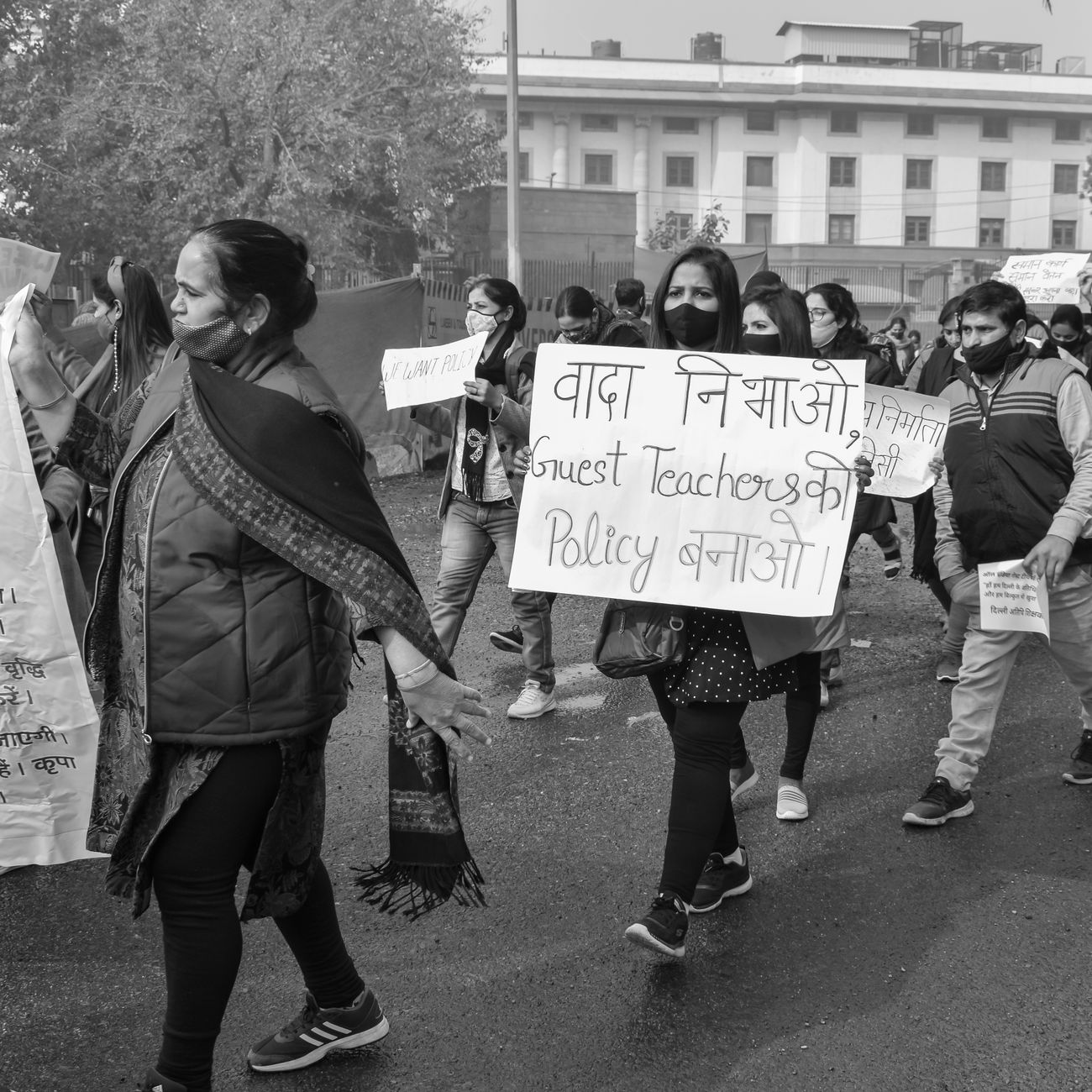
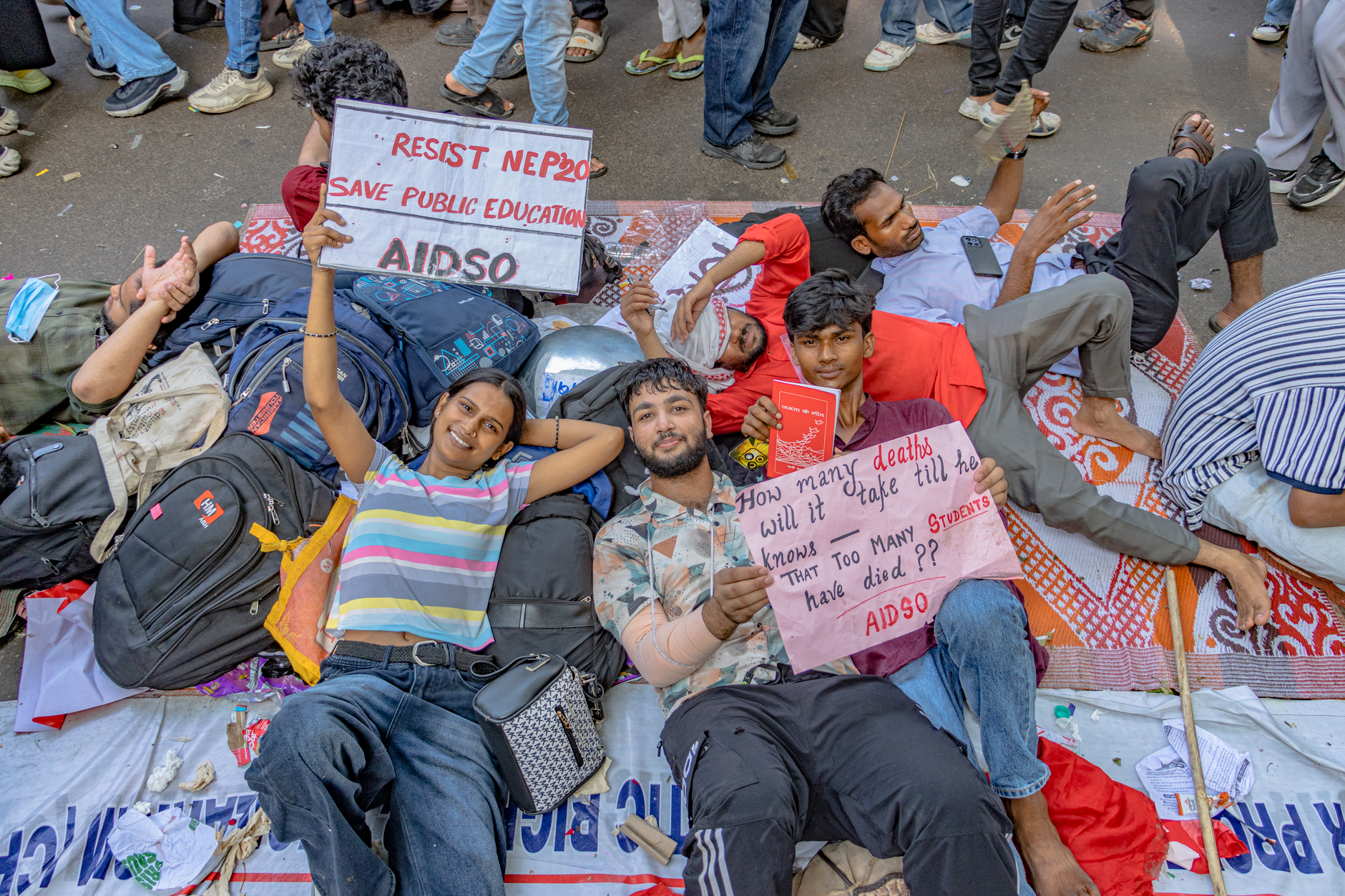
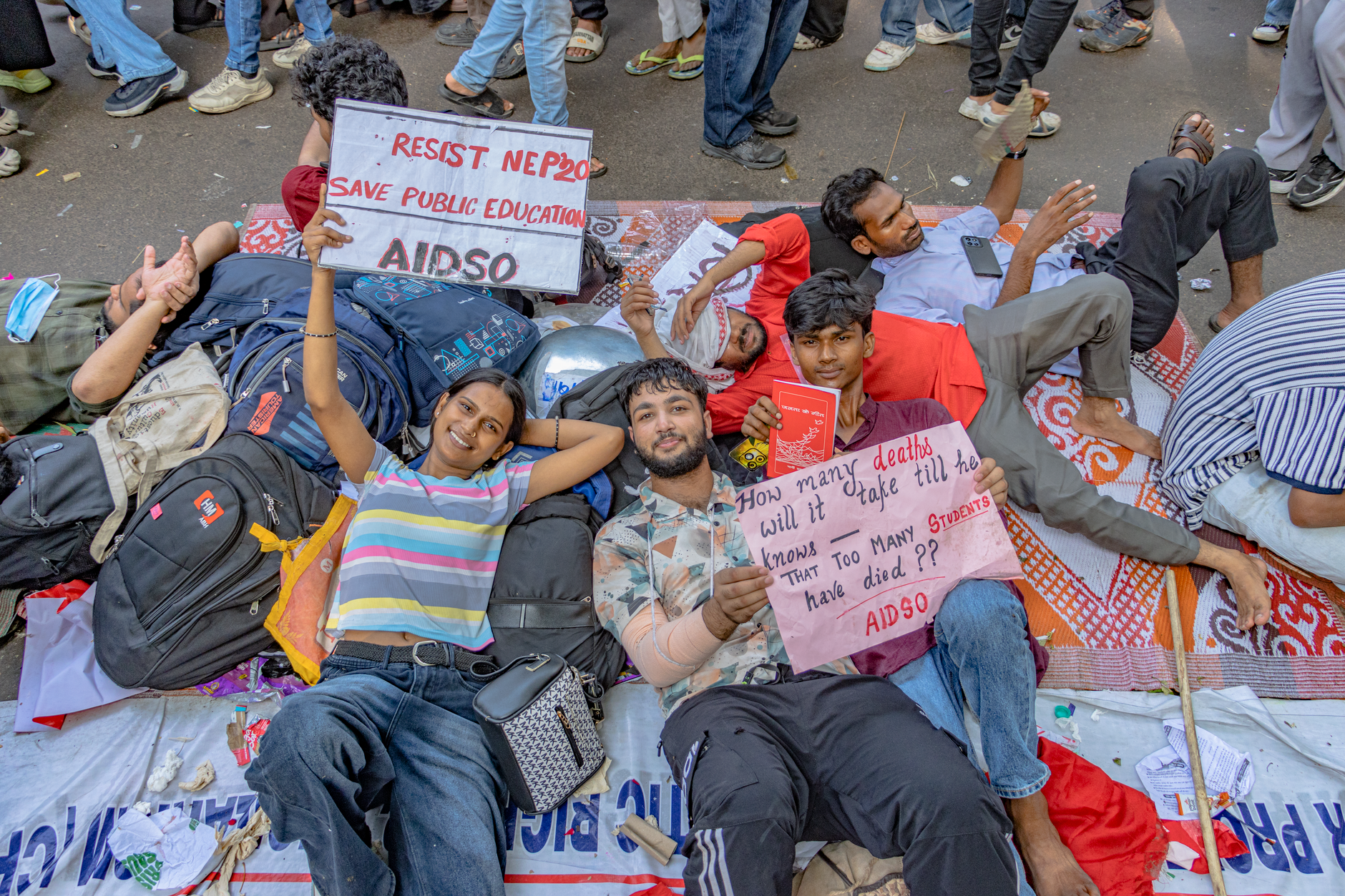
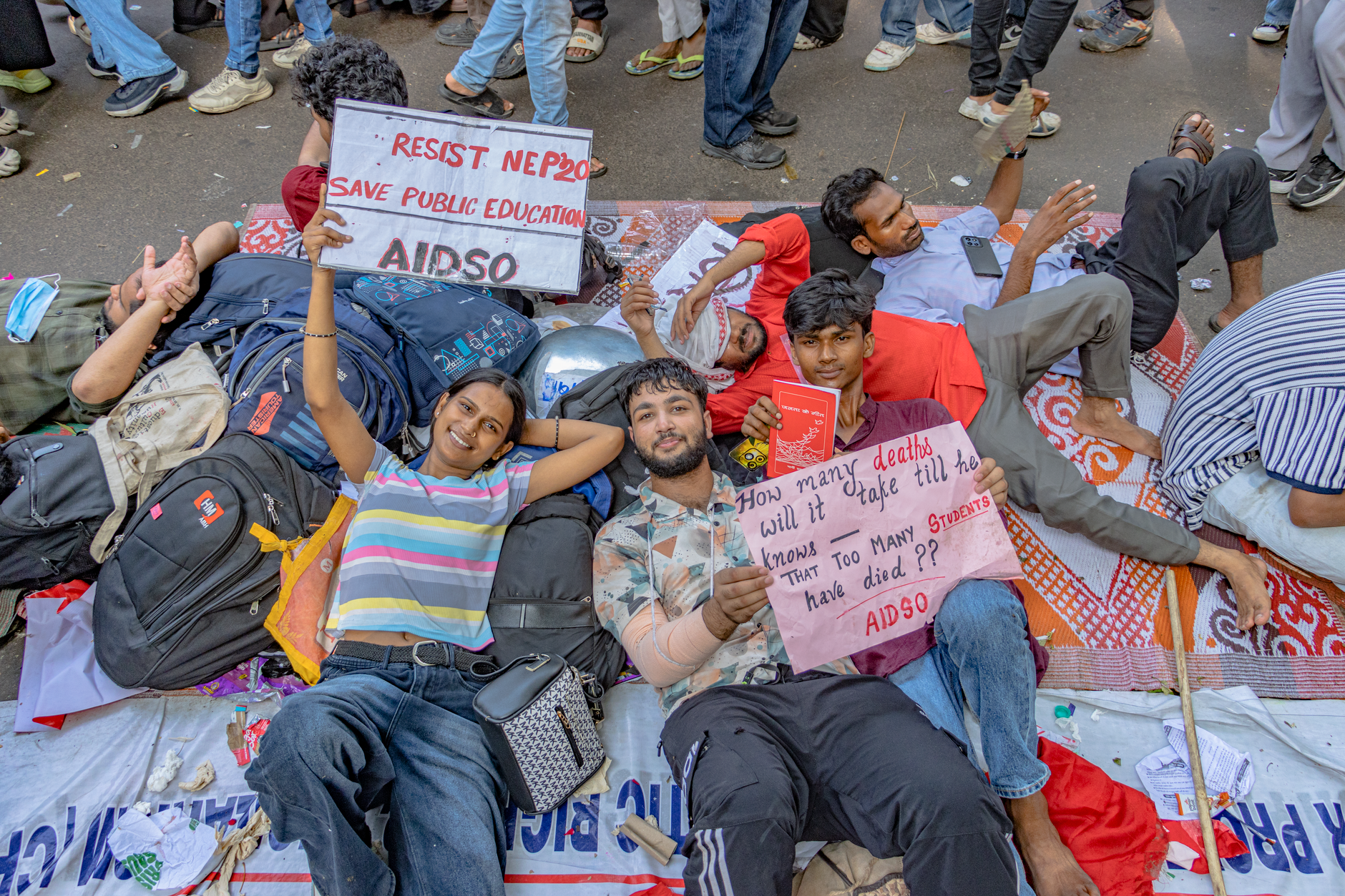
What began as localised demonstrations has evolved into a coordinated nationwide movement. Students from various educational institutions, including universities, coaching centres, and even school-level aspirants, have joined the cause. The protests have manifested in multiple forms:
- Peaceful marches and sit-ins outside government buildings
- Social media campaigns amplifying student voices
- Hunger strikes by student leaders
- Submission of memorandums to administrative authorities
- Boycotts of official events and ceremonies
The movement has gained traction across state boundaries, indicating widespread dissatisfaction with the current state of educational administration. Student unions, which have historically played important roles in Indian politics, have also lent their support to the cause.
Government Response and Public Reaction
The government's response has been measured but firm, with officials defending the education minister's record and attributing problems to systemic challenges rather than individual failures. Authorities have urged students to engage through proper channels rather than street protests, emphasising that dialogue remains open.
However, students argue that their previous attempts at engagement through official channels yielded no meaningful results, forcing them to adopt more visible forms of protest. They point to unanswered petitions and ignored representations as evidence that conventional approaches have failed.
Public opinion appears divided. While many parents and educators sympathise with students' frustrations regarding examination irregularities, others express concern about the disruption to academic schedules and the politicisation of educational issues.
Broader Implications for Educational Reform
The 'Cockroach' movement has sparked broader conversations about educational governance in India. Experts note that the protests highlight systemic weaknesses in how India manages its vast educational apparatus, which serves hundreds of millions of students across diverse socio-economic backgrounds.
The movement has raised important questions about accountability, transparency, and student participation in policy-making processes. Whether or not the education minister resigns, the protests have succeeded in placing educational administration under intense scrutiny.
As the movement continues to gain momentum, its outcome may set precedents for how student grievances are addressed in India's educational system. The protesters' declared resolve—to continue until their demands are met—suggests that this issue will remain in the public eye for the foreseeable future, potentially influencing both policy decisions and political calculations ahead of upcoming elections.