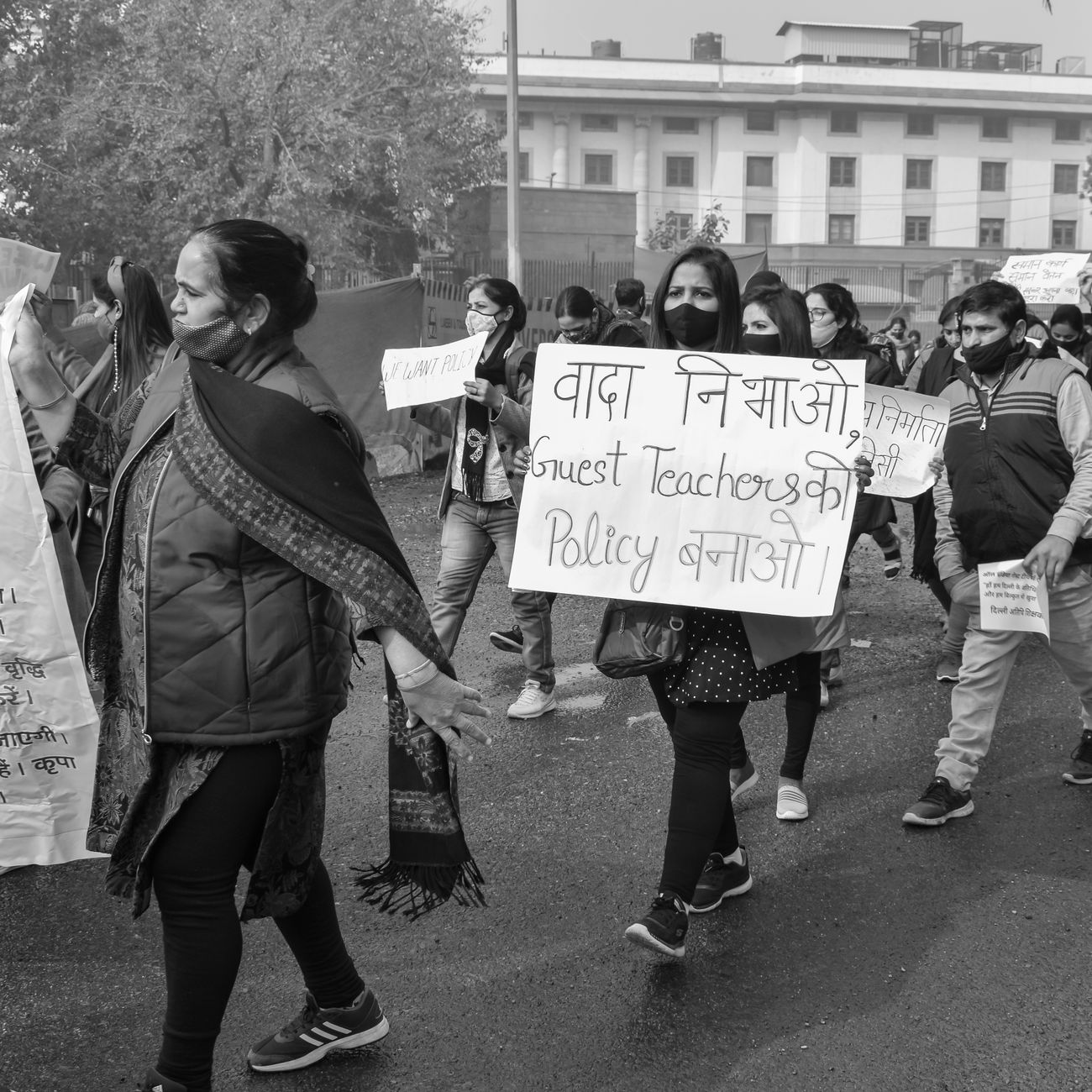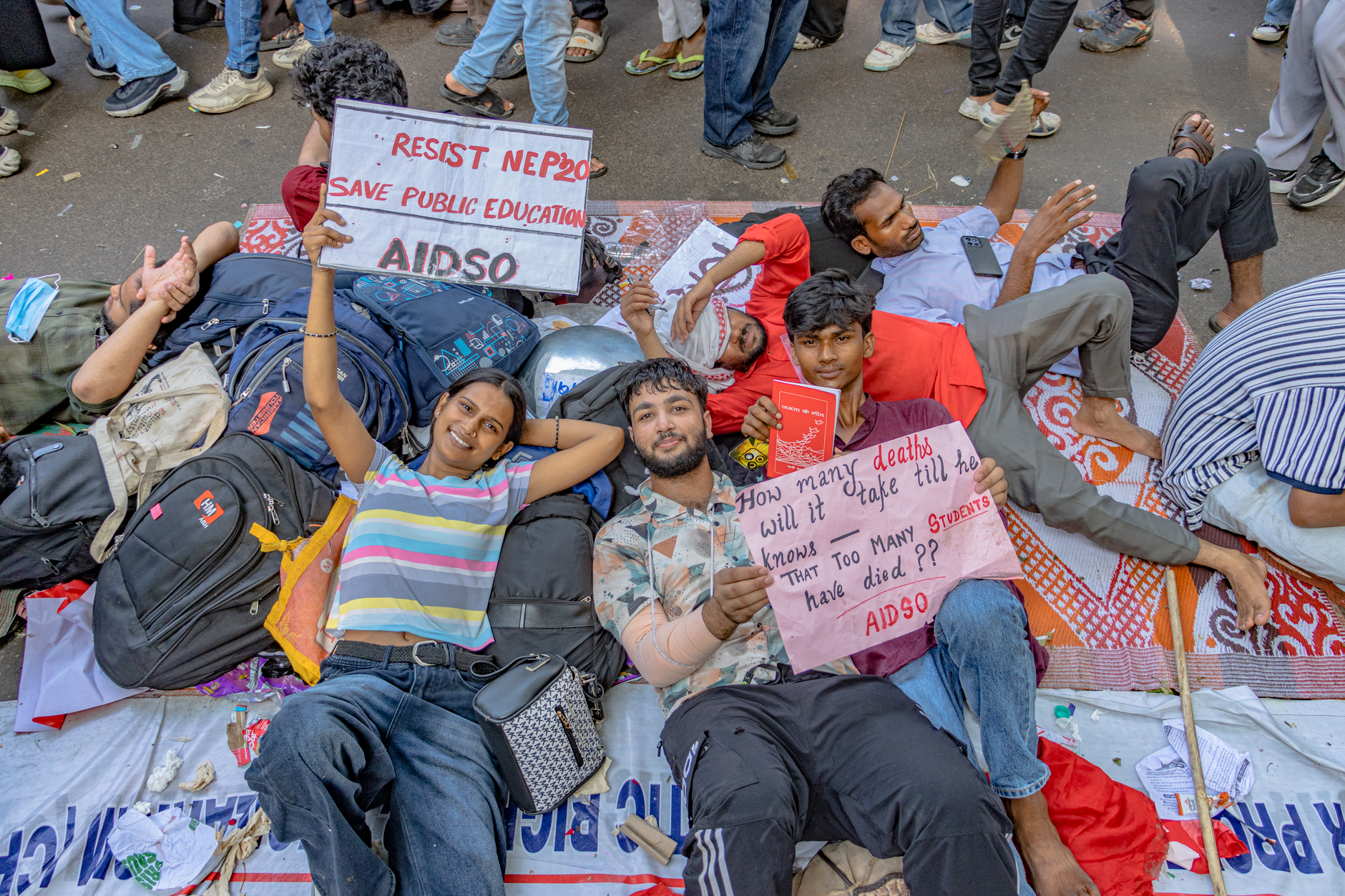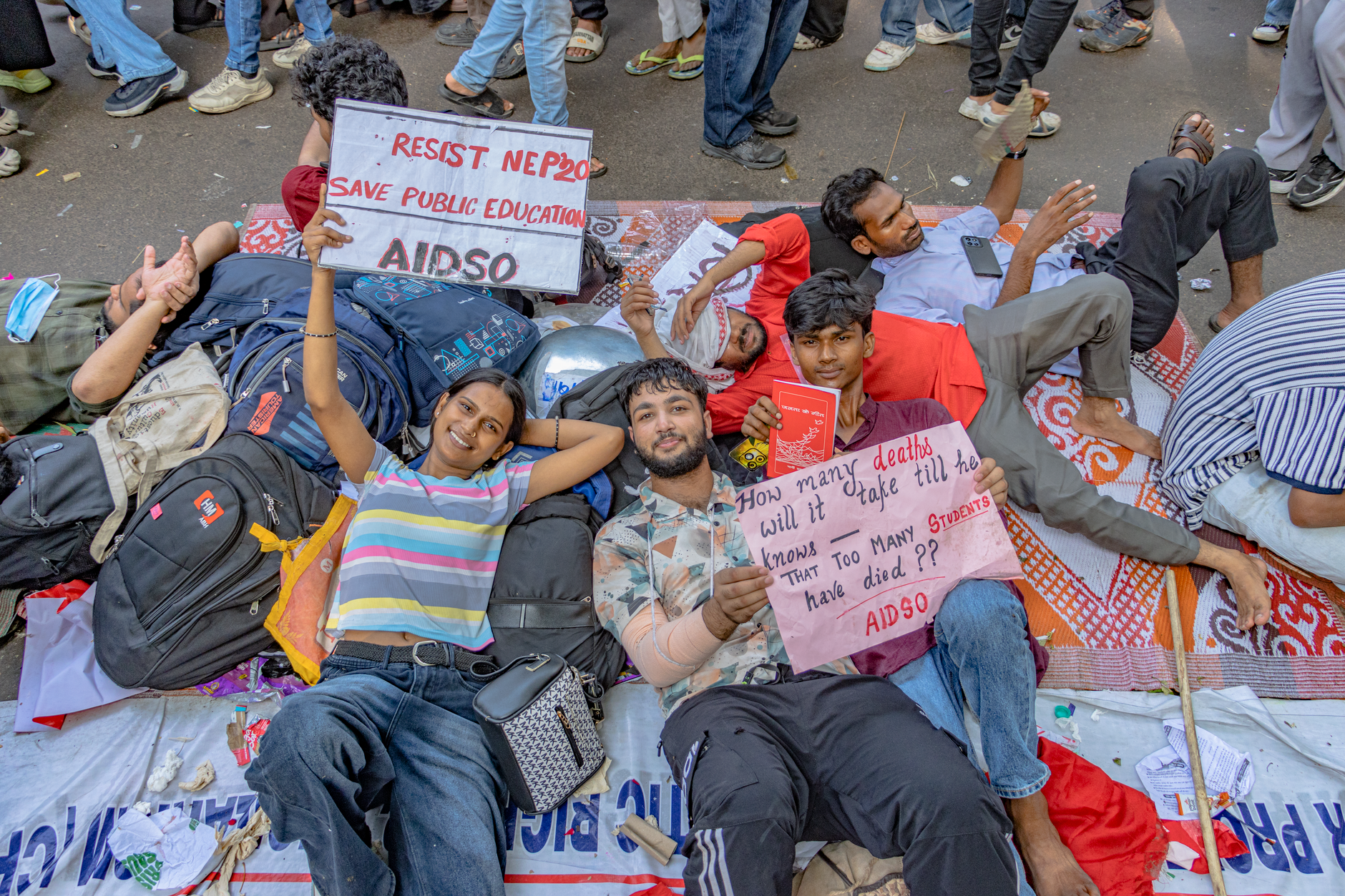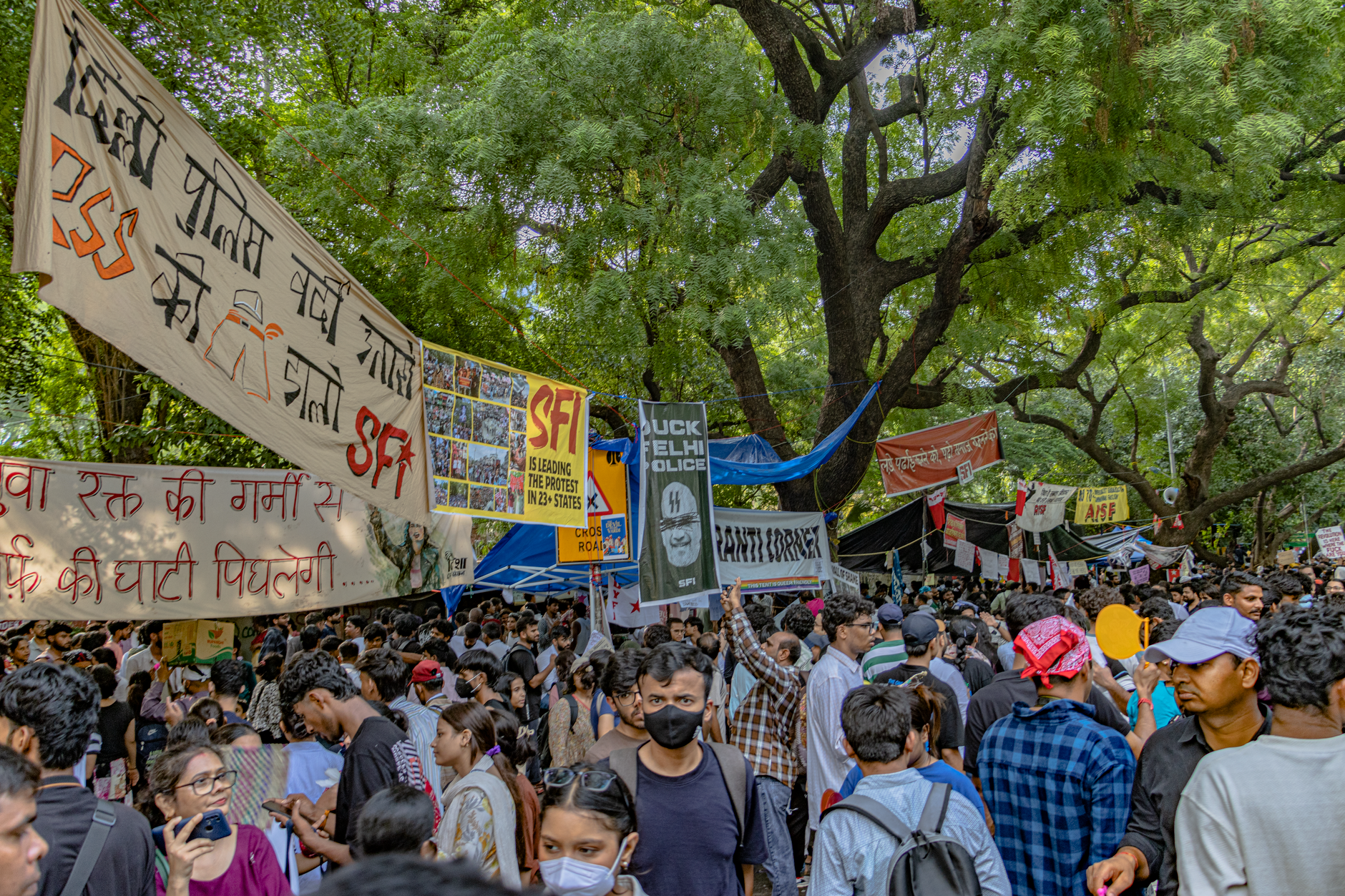
Delhi's historic Jantar Mantar has once again become the epicentre of youth activism as Generation Z takes to the streets to protest against what they perceive as unfair employment policies. The demonstrations, led primarily by students and recent graduates, highlight growing anxieties about job security and career opportunities in contemporary India.
What is the Common Job Protocol?
The Common Job Protocol, or CJP, refers to a proposed standardized framework intended to streamline recruitment processes across various government and public sector organizations. While the specifics may vary, such protocols typically aim to create uniform hiring standards, examination patterns, and eligibility criteria for entry-level positions.
Proponents argue that standardization brings transparency and reduces discrepancies in the hiring process. However, critics contend that a one-size-fits-all approach fails to account for the diverse needs of different sectors and regions, potentially disadvantaging certain groups of candidates.
Why Are Gen Z Protesters Concerned?
The young demonstrators at Jantar Mantar have raised several key issues that have mobilized them into action:
- Employment opportunities becoming increasingly scarce despite rising educational qualifications
- Concerns about age limits and eligibility criteria that may exclude deserving candidates
- Anxiety over delayed recruitment processes and examination schedules
- Questions about the transparency and fairness of selection procedures
- Worry that standardization might overlook specialized skills and regional requirements
Generation Z, having witnessed economic uncertainties including the pandemic's impact on job markets, is particularly sensitive to policies that could further restrict their employment prospects. Many protesters argue that instead of creating barriers, the government should focus on generating more opportunities.
The Significance of Jantar Mantar
Jantar Mantar, located in central Delhi, has been synonymous with peaceful protests and democratic expression for decades. From anti-corruption movements to farmers' protests, this location has witnessed countless demonstrations that have shaped public discourse in India.
For Gen Z protesters, choosing this venue carries symbolic weight. It connects their movement to a broader tradition of civil activism while providing visibility in the heart of the nation's capital, ensuring their voices reach policymakers and media outlets.
Understanding Gen Z's Activism
This protest reflects broader characteristics of Generation Z activism in India. Unlike previous generations, today's young people leverage social media to organize, mobilize, and amplify their messages. Hashtags, Instagram stories, and viral videos have become essential tools for building momentum and solidarity.
Gen Z protesters tend to be more vocal about systemic issues affecting their futures. Having grown up in an era of rapid technological change and economic volatility, they are acutely aware that traditional pathways to stable employment have become less reliable. This awareness translates into a willingness to publicly challenge policies they view as detrimental.
The Broader Employment Crisis
The CJP protest must be understood within the context of India's complex employment landscape. Despite economic growth, job creation has not kept pace with the number of qualified candidates entering the market each year. Millions of graduates compete for limited positions, creating intense pressure and frustration.
Youth unemployment remains a persistent challenge, with educated young people often either unemployed or underemployed in positions that do not match their qualifications. This mismatch between educational attainment and available opportunities has fueled discontent among students and recent graduates.
Government Response and Next Steps
Authorities typically engage with such protests through dialogue, attempting to address grievances while maintaining public order. The outcome of these demonstrations often depends on the protesters' ability to sustain momentum and the government's willingness to reconsider or modify proposed policies.
For meaningful resolution, both sides must engage in constructive conversation. Protesters need clear channels to communicate their specific concerns and proposed alternatives, while policymakers must demonstrate genuine willingness to incorporate feedback from those most affected by employment policies.
What This Means for India's Future
The Gen Z protest at Jantar Mantar represents more than opposition to a single policy—it signals a generation's demand for inclusive decision-making processes that consider young people's needs and aspirations. As India's demographic dividend continues, ensuring that youth feel heard and valued in shaping policies that affect their futures becomes increasingly critical.
Whether these protests lead to policy changes remains to be seen, but they have already succeeded in bringing youth employment concerns to national attention, potentially opening pathways for more comprehensive discussions about India's economic future and the role of its youngest citizens in shaping it.