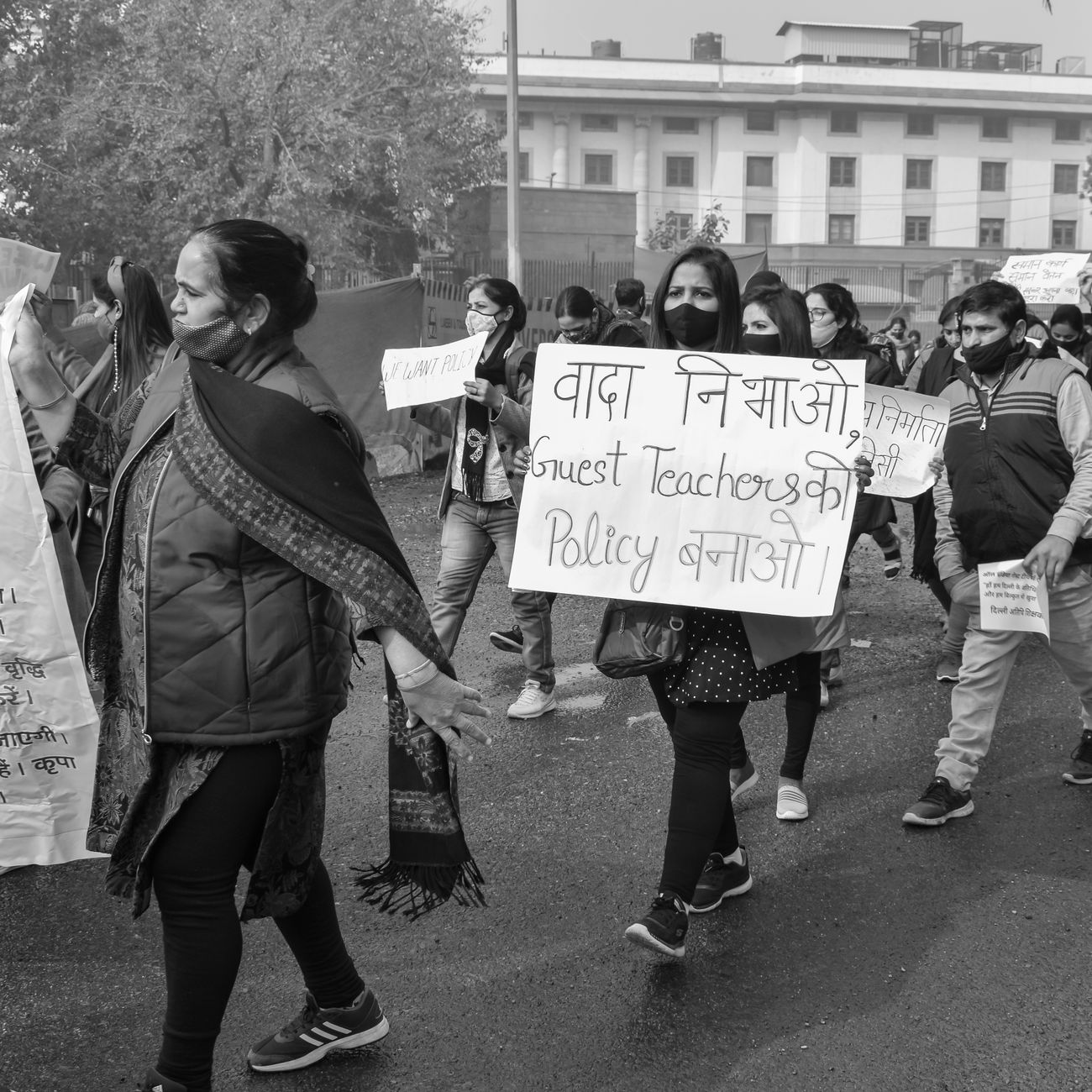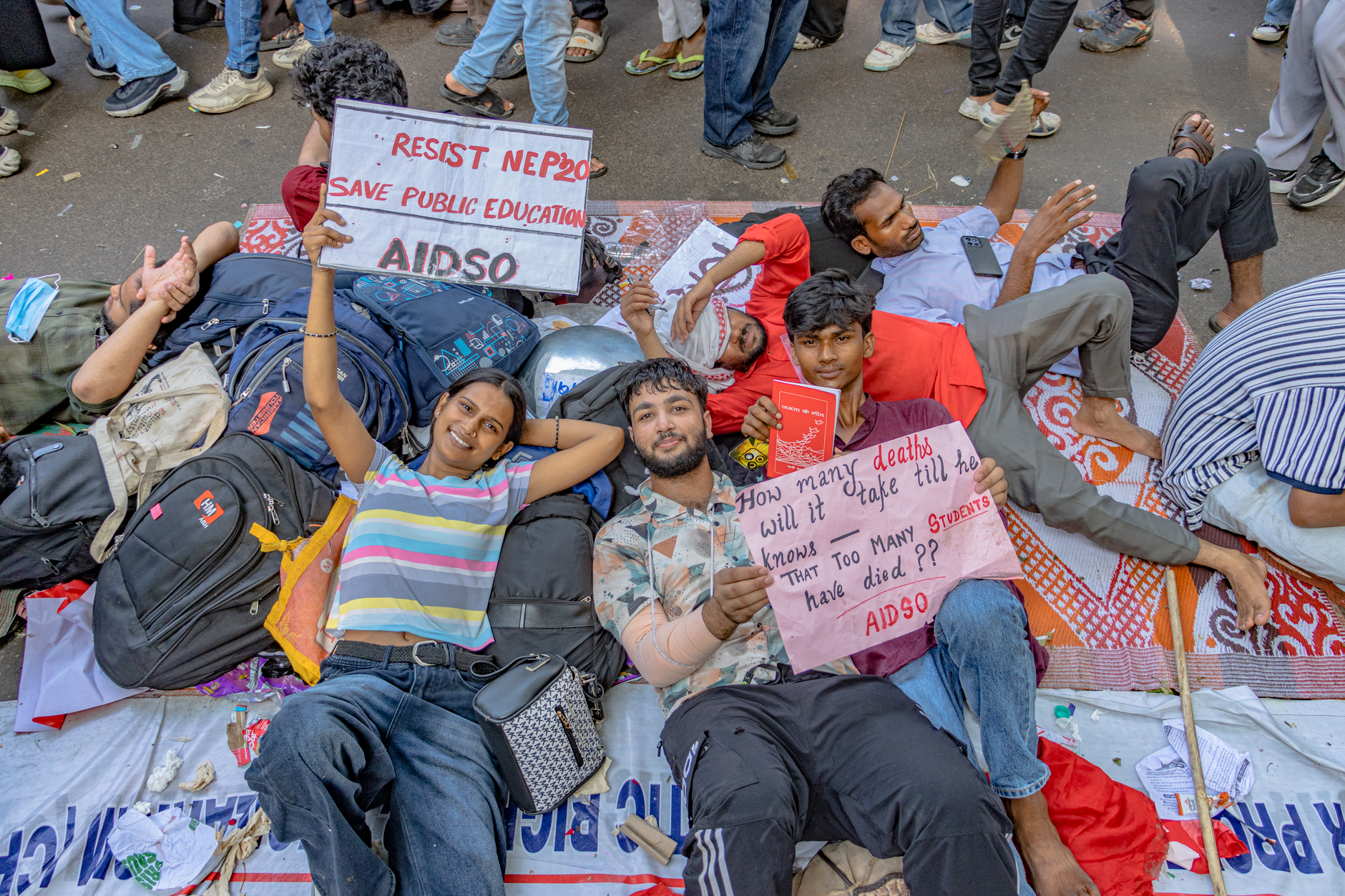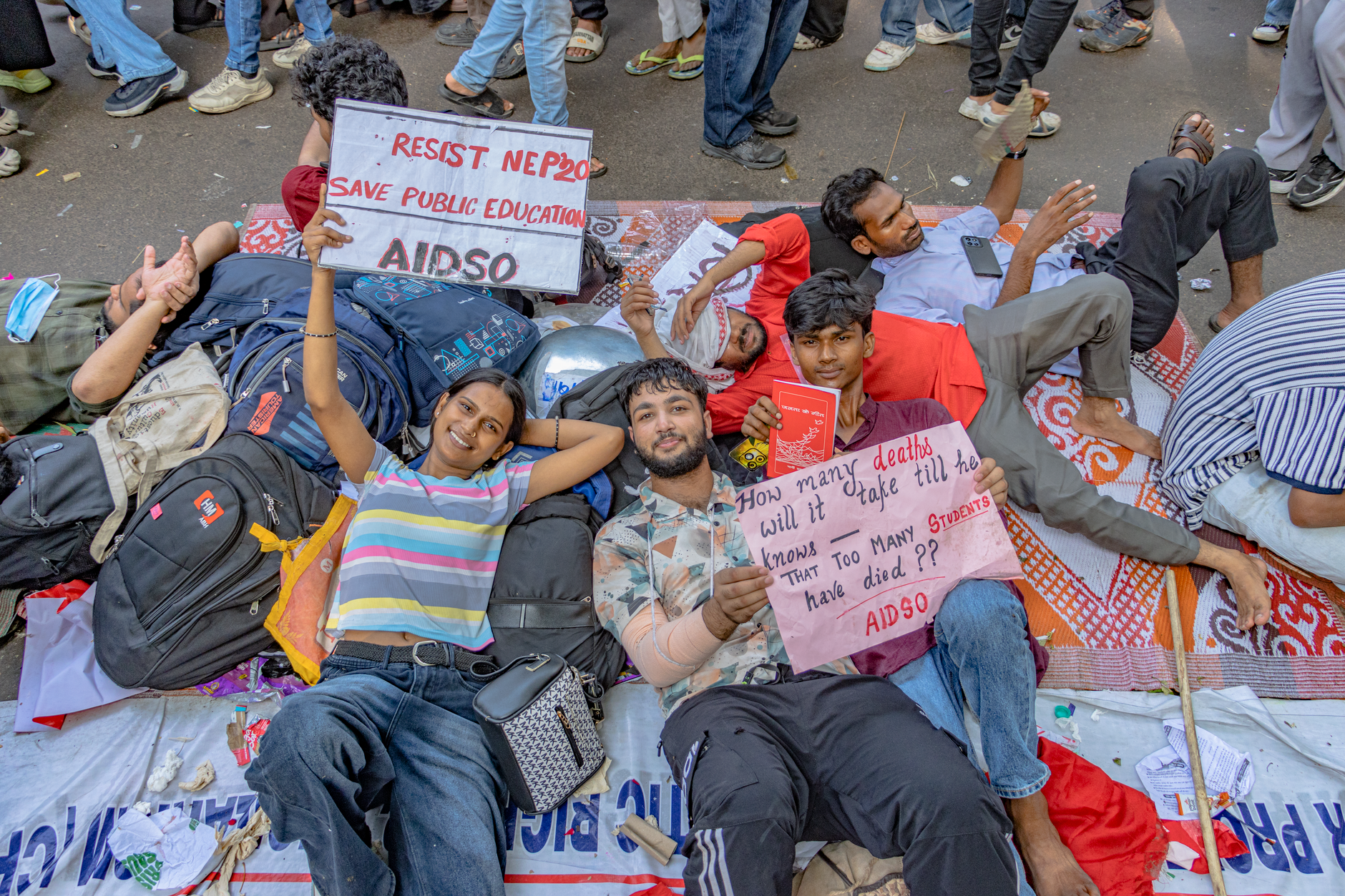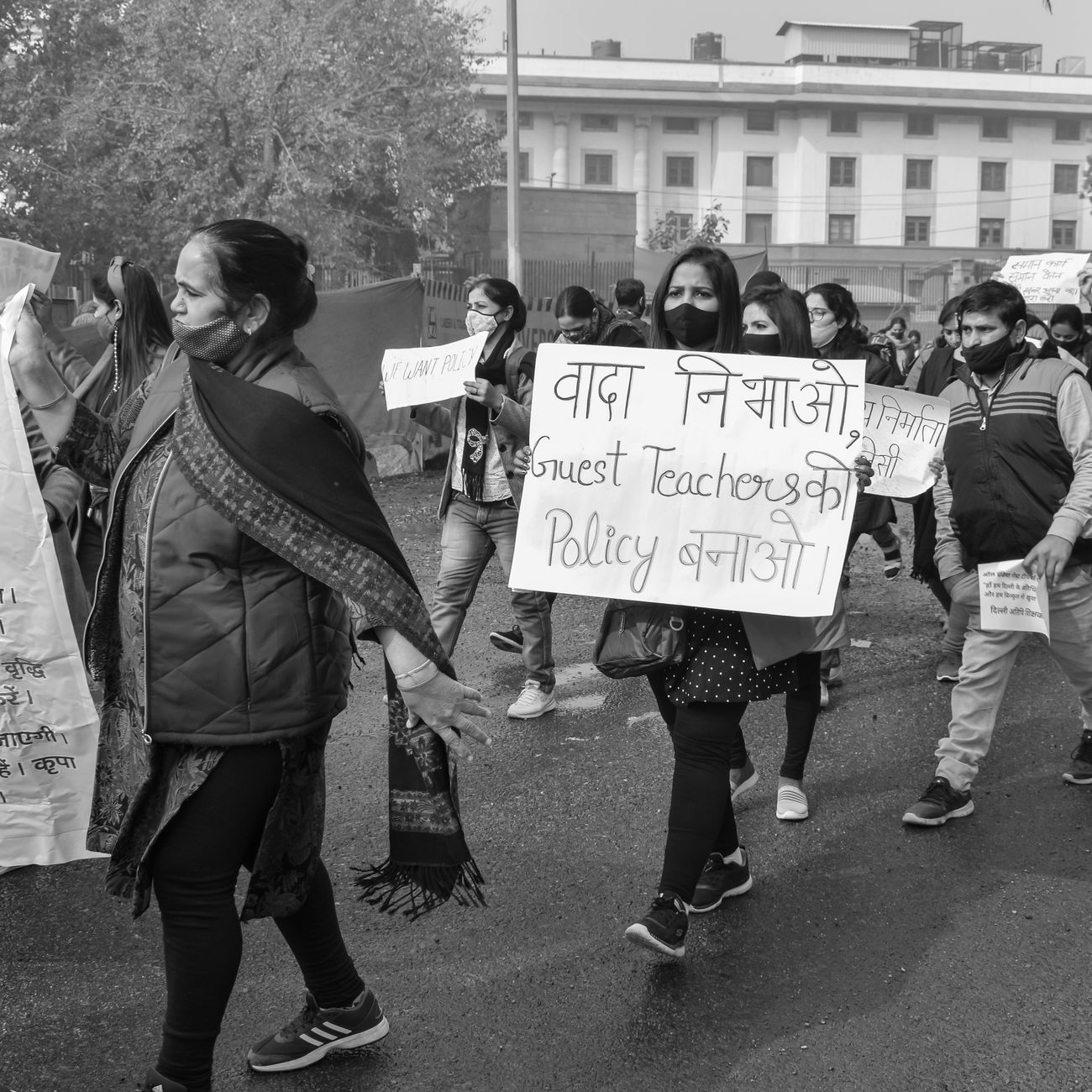
Student protests and demonstrations by civil society organizations have become a recurring feature of India's democratic landscape, with recent events in Delhi drawing significant attention. The demonstrations, involving groups marching from Jantar Mantar, a designated protest site in the capital, reflect broader concerns within India's educational ecosystem.
Background of Educational Protests in India
India has a long history of student activism dating back to the independence movement. Educational institutions have traditionally served as centers of political consciousness and social reform. Recent years have witnessed increased student mobilization around issues including fee hikes, reservation policies, curriculum changes, and concerns about institutional autonomy.
Jantar Mantar, located in central Delhi near the Parliament complex, has been designated as a legal protest venue where citizens can peacefully demonstrate. Its proximity to the seat of government makes it a strategic location for groups seeking to draw attention to their demands.
Common Concerns Driving Educational Protests
Several recurring themes tend to emerge in educational demonstrations across India:
- Affordable access to quality education and opposition to fee increases
- Protection of reservation policies for marginalized communities
- Concerns about commercialization of education
- Academic freedom and institutional autonomy
- Employment prospects and career opportunities for graduates
- Infrastructure and resource allocation in educational institutions
- Examination and admission policies
These issues often intersect with broader questions about social justice, equality, and the role of education in national development.
The Role of Civil Society Organizations
Beyond student groups, various civil society organizations frequently participate in educational protests. These organizations often represent specific communities, advocate for particular causes, or work on broader social justice issues. Their involvement can amplify student voices and connect educational concerns to wider societal debates about rights, representation, and governance.
Civil society activism in India operates within a complex framework of laws governing assembly, free speech, and public order. Organizations must navigate permissions, designated protest zones, and restrictions that vary by location and circumstance.
Police Response and Public Order
Law enforcement agencies face the challenging task of balancing citizens' constitutional right to peaceful protest with maintaining public order and security, especially in sensitive areas like the national capital. Police actions during protests can include:
- Restricting movement to designated areas
- Using barricades and checkpoints
- Dispersing crowds that violate prescribed limits
- Detaining protesters who breach public order provisions
- Imposing prohibitory orders under legal codes
The intensity of police response often depends on factors including the size of demonstrations, proximity to sensitive locations, adherence to permission requirements, and perceived security concerns.
Constitutional Framework for Protests
The Indian Constitution guarantees fundamental rights including freedom of speech and expression, and peaceful assembly. However, these rights are subject to reasonable restrictions on grounds of public order, security, and sovereignty. This creates an ongoing tension between the state's duty to maintain order and citizens' rights to dissent.
Courts have repeatedly affirmed that peaceful protest is a democratic right while also upholding the state's authority to regulate the time, place, and manner of demonstrations. The Supreme Court has observed that public spaces cannot be occupied indefinitely and that protests must balance expression with others' rights.
Educational Policy and Democratic Dialogue
Protests serve as visible manifestations of discontent, but effective resolution typically requires dialogue between stakeholders including students, educational administrators, civil society, and government authorities. Many significant policy changes in Indian education have emerged following sustained advocacy and negotiation.
The challenge lies in creating institutional mechanisms that allow concerns to be heard and addressed before tensions escalate to confrontation. Some experts advocate for regular consultative processes involving student representatives in policy formulation affecting academic life.
Looking Forward
As India's education sector continues evolving amid economic changes, technological advancement, and demographic pressures, debates about access, quality, and equity will likely persist. The manner in which these debates unfold—whether through dialogue, protest, or both—will shape not only educational outcomes but also the broader culture of democratic participation.
Understanding these protests requires looking beyond immediate events to the underlying concerns driving citizen action and the complex dynamics between state authority and democratic rights in contemporary India.
This article provides general information about educational protests and related issues in India. Readers should consult multiple sources and official statements for specific details about any particular event or policy matter.